ZH Precision Materials Library
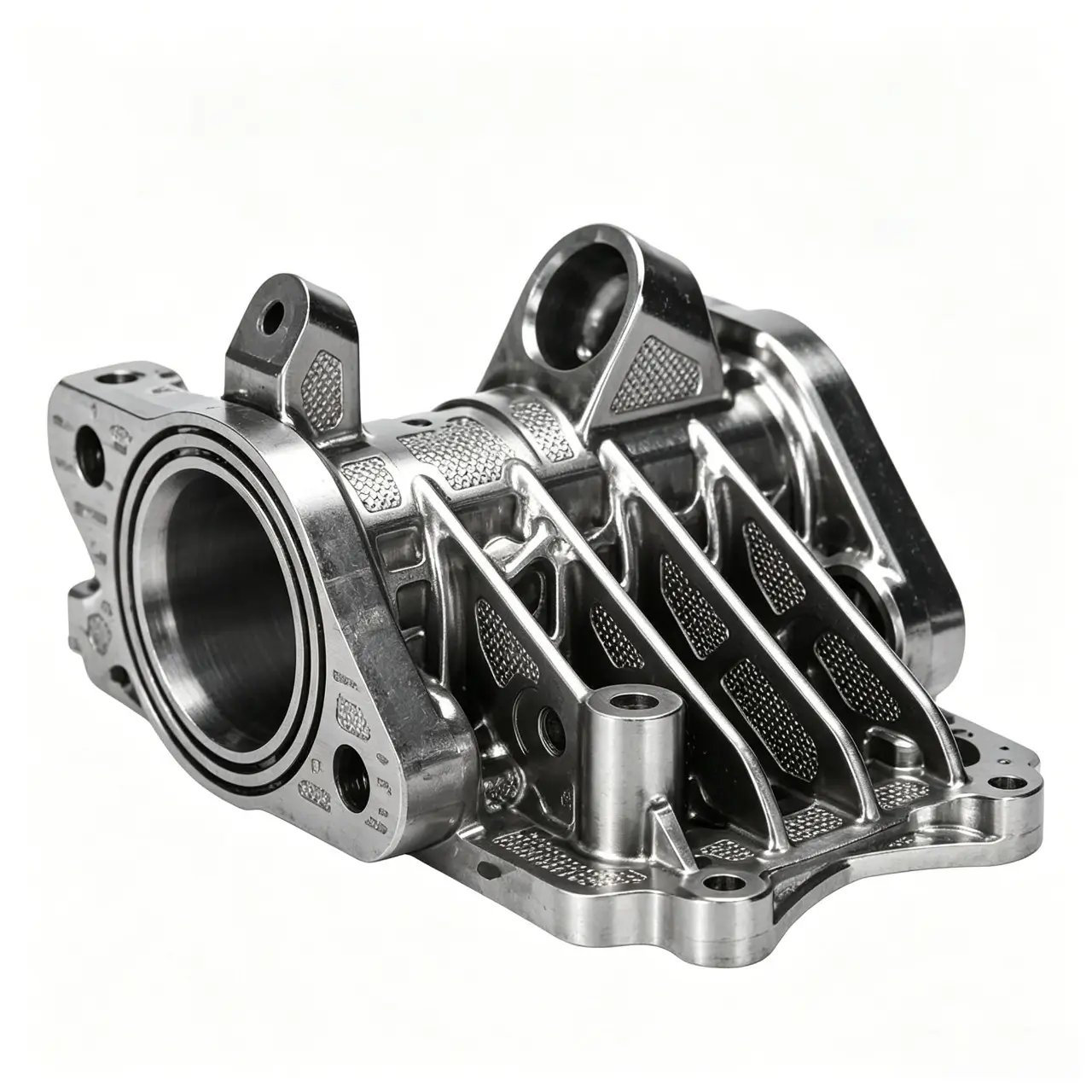
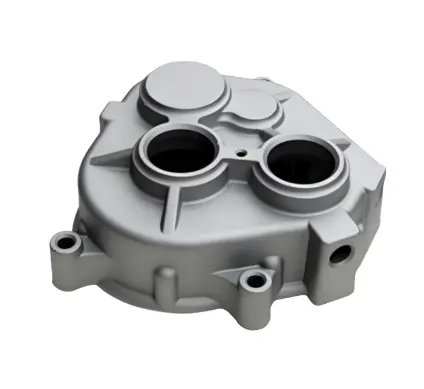
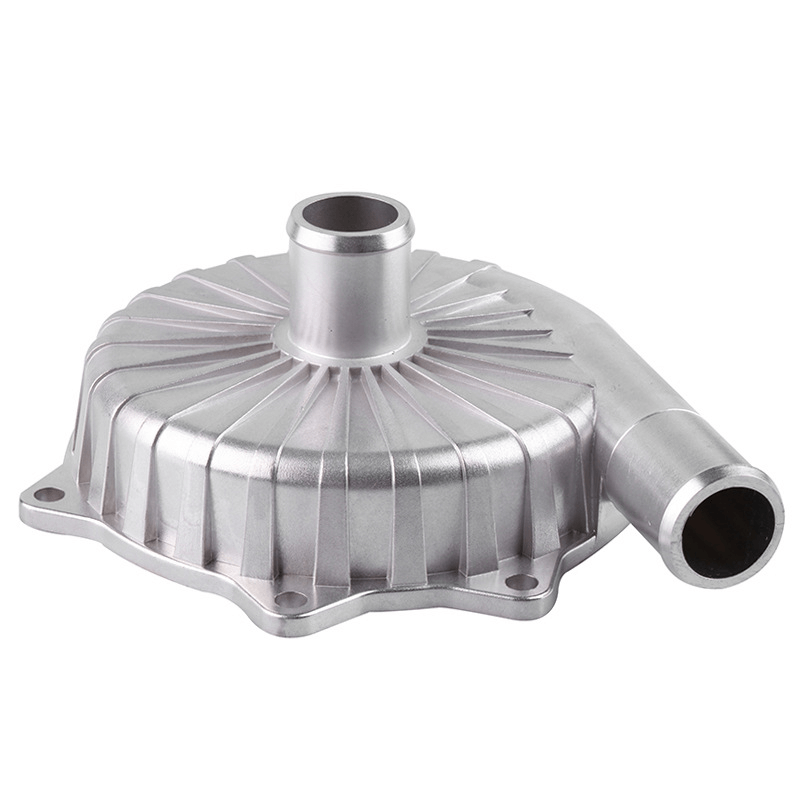
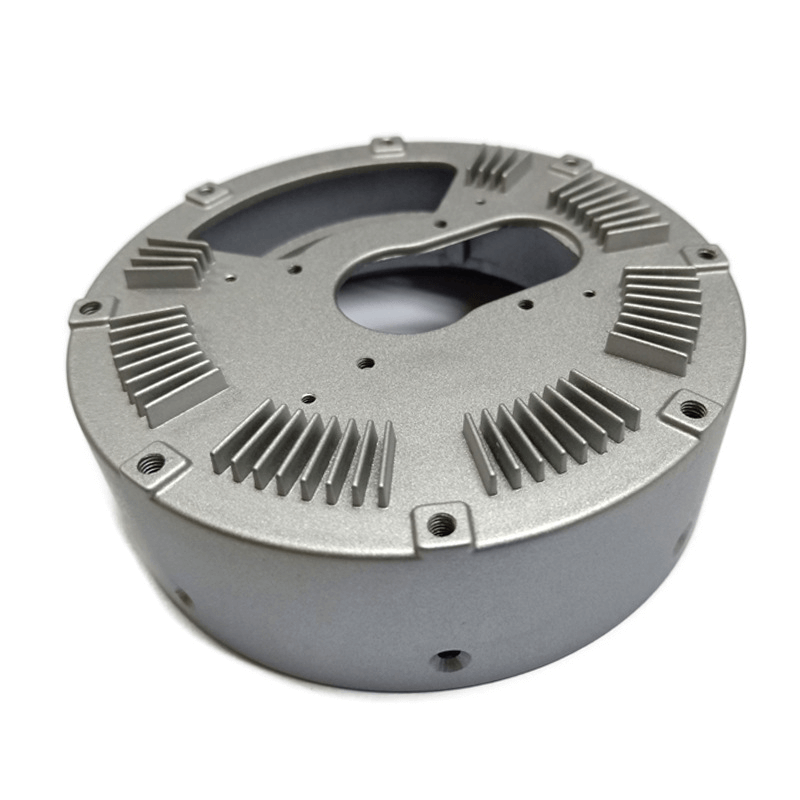
We deliver CNC machining, die casting, sheet metal and aluminum extrusion services, from prototype validation and small-batch production to large-scale mass manufacturing, with strict compliance on mechanical performance, structural tolerance and custom surface finishes.
- Specification-Driven Machining
- Repeatable Production Quality
- Tight Tolerance Control
Verify Certifications On Demand:ISO 9001:2015 | IATF 16949:2016
Get a Free DFM Assessment
STP I SLDPRT I IPT I PRT I SAT FLES
All uploaded content is secure and confidential.
Material Certifications & Compliance
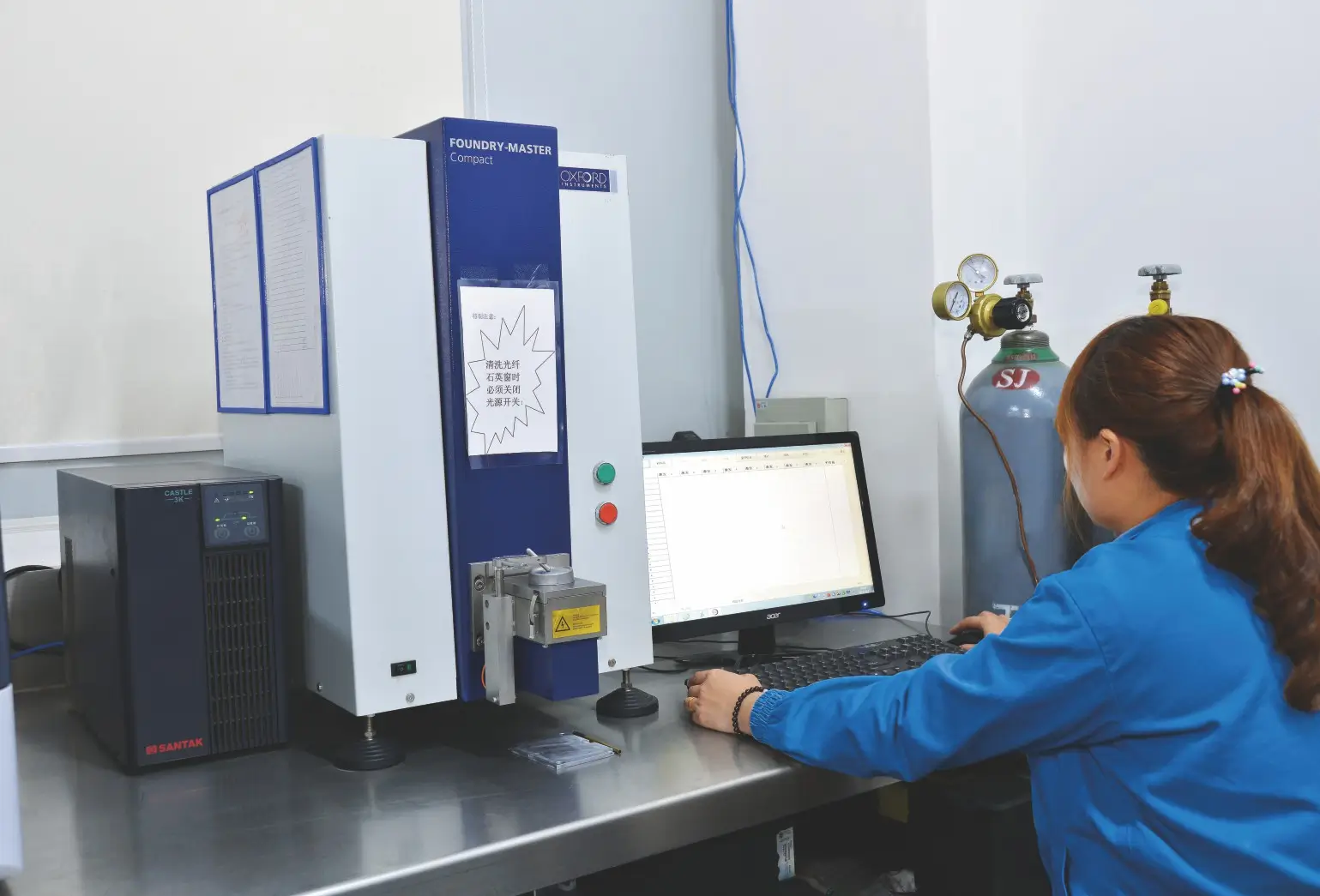
We prioritize strict raw material control to prevent incorrect alloy grades, material mix-ups, and substandard recycled stock. Using an Oxford spectrometer for on-site chemical composition analysis, we verify material authenticity and consistency before production. All incoming materials are managed through batch traceability and sample retention, effectively eliminating quality risks at the incoming material stage before entering production.
We work exclusively with certified material suppliers and never substitute material specifications without prior customer approval. All materials comply with ISO, RoHS, and REACH requirements. Material certificates, incoming inspection records, and full compliance documentation are available upon request, ensuring consistent performance and complete traceability for long-term production.
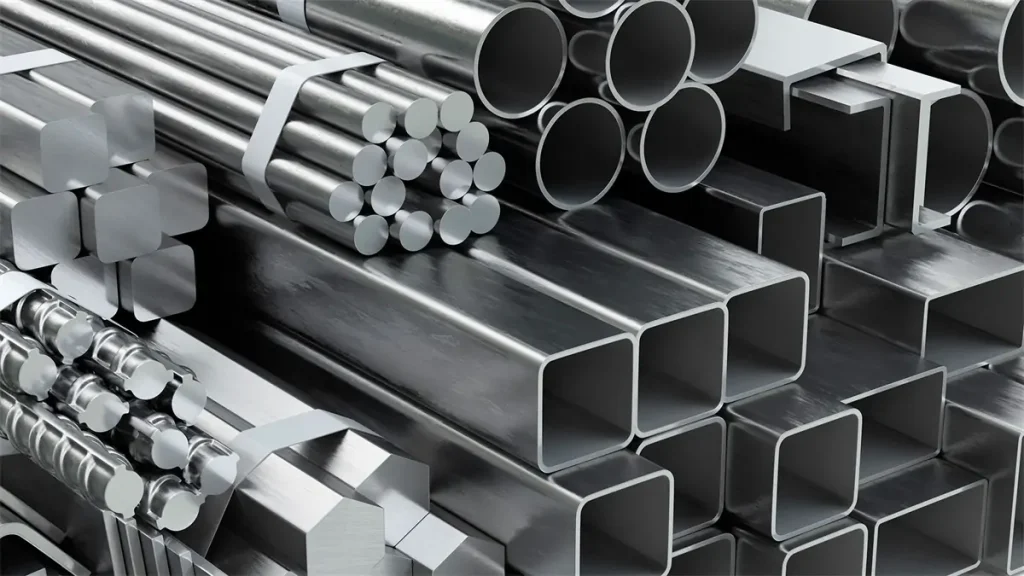
CNC Materials
Aluminum
Lightweight, corrosion-resistant, and highly machinable. Ideal for enclosures, automotive parts, and structural components.
Stainless Steel
High strength and excellent corrosion resistance. Suitable for medical devices, food equipment, and demanding environments.
Mild Steel
Good toughness, stable and cost-effective. Perfect for general industrial components without extreme requirements.
Brass
Excellent machinability and corrosion resistance. Ideal for valves, connectors, and precision fittings.
Copper
High electrical and thermal conductivity. Common in heat exchangers, electronic parts, and terminals.
Alloy Steel
Enhanced with chromium/nickel for strength and wear resistance. Suitable for high-load mechanical components.
Tool Steel
Extremely hard and wear-resistant. Commonly used for molds, cutting tools, and high-impact components.
Titanium
High strength-to-weight ratio and corrosion resistance. Used in aerospace, medical implants, and premium parts.
Inconel
High-temperature strength and corrosion resistance. Ideal for turbines, engines, and harsh chemical environments.
Invar
Extremely low thermal expansion. Keeps precision parts stable under temperature changes. Used in optics and aerospace.
Die Casting Materials
Aluminum
Subtypes: ADC6, A360, A380, ADC12
Lightweight yet strong, excellent corrosion resistance, dimensional stability, good fluidity for precise molding, low thermal expansion, high thermal conductivity, tight tolerances, smooth surface finishes, good machinability, compatible with surface treatments.
Zinc
Subtypes: ZA8, Zamak 3, Zamak 5, Zamak 2
High density, excellent dimensional accuracy, intricate and detailed component capability, superior wear resistance, moderate strength and hardness, high corrosion resistance, low melting point, excellent flow characteristics, smooth surfaces, tight tolerances, easily plated or coated.
Magnesium
Subtypes: AZ91D, AM60B
Extremely lightweight with excellent strength-to-weight ratio, good corrosion resistance when treated, high dimensional stability, good thermal and electrical conductivity, excellent fluidity for thin-walled and complex components, precise reproduction of molds, tight tolerances, smooth surface finishes, requires careful handling during casting.
Sheet Metals
Aluminum
Subtypes: 5052, 5083, 5754
Lightweight with excellent corrosion resistance and high strength-to-weight ratio, offering good formability and machinability. Suitable for precision bending, stamping, and structural components, compatible with various surface finishing treatments.
Copper
Subtypes: C101, C103, C110
Exceptional electrical and thermal conductivity, excellent ductility and corrosion resistance. Easy to bend, stamp and form, widely used for electronic terminals, heat dissipation and conductive sheet metal parts.
Brass
Subtypes: C260, C272, C280
High hardness, good wear resistance and superior machinability. Fine surface texture, easy plating and polishing. Ideal for hardware fittings, connectors, decorative and precision sheet metal components.
Stainless Steel
Subtypes: 301, 304, 316, 316L
Superior corrosion resistance, high tensile strength and long service life. Supports deep drawing, forming and welding, perfect for sanitary, outdoor and industrial structural sheet metal parts.
Steel
Subtypes: SPCC, SGCC, SECC, Q235, 1020
High mechanical strength and cost performance, good formability and weldability. Widely applied in automotive, machinery, enclosure and general industrial sheet metal fabrication.
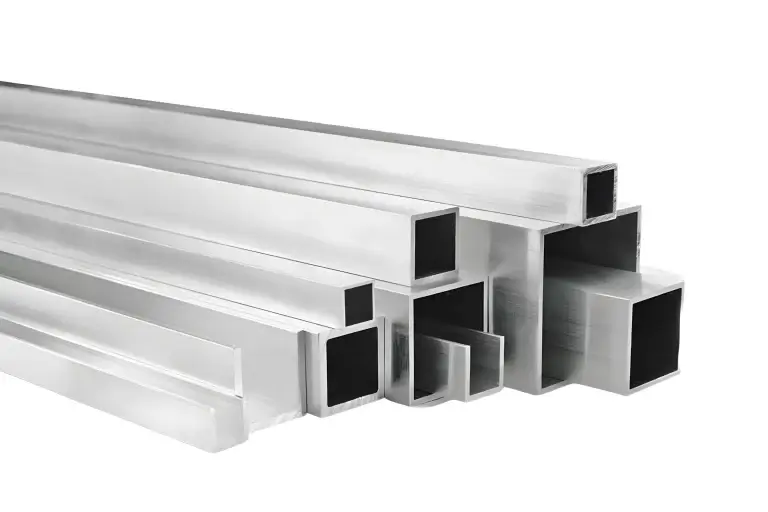
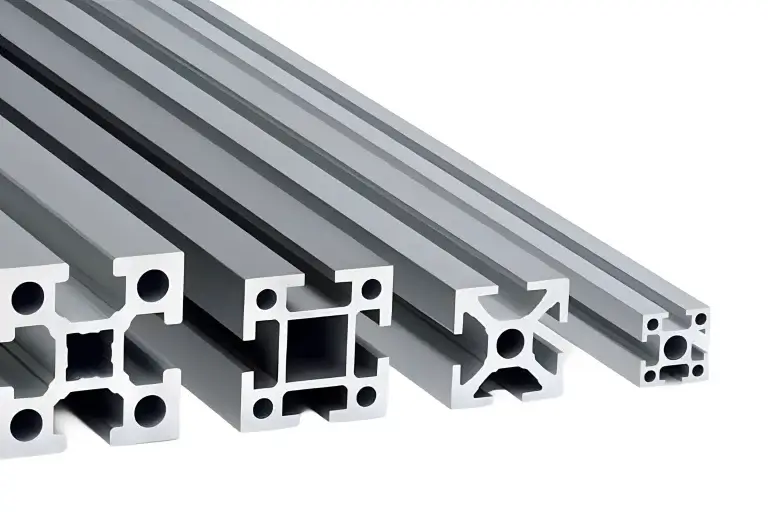
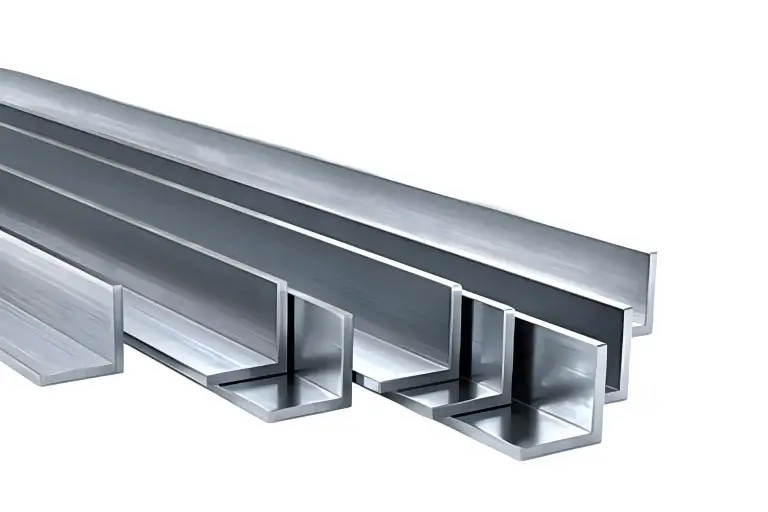
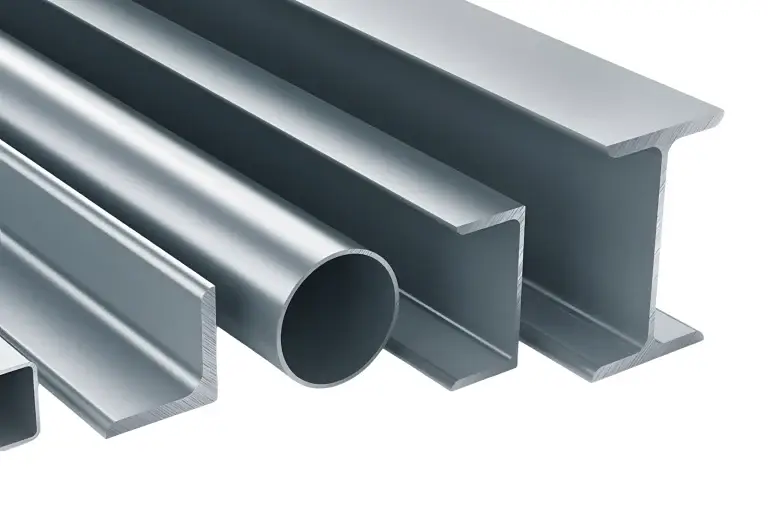
Aluminum Extrusion Material
Aluminum 6061
6061 is a heat-treatable aluminum alloy featuring excellent corrosion resistance, outstanding weldability and high toughness. It delivers stable mechanical strength, reliable dimensional accuracy and superior machinability, ideal for structural frames, precision mechanical parts and custom extrusion components requiring long-term stress durability.
Aluminum 6063
6063 aluminum is a cost-effective heat-treatable alloy with premium corrosion resistance and moderate structural strength. Its fine internal grain ensures smooth surface finish and excellent anodizing performance, perfect for architectural profiles, decorative trims and heat dissipation parts with high appearance requirements.
Aluminum 7075
7075 is a ultra-high-strength heat-treatable aluminum alloy with remarkable fatigue resistance and good machinability. Though slightly lower in corrosion resistance than 6000 series, it dominates high strength-to-weight scenarios such as aerospace components, defense parts and high-performance mechanical structures.
Aluminum 1100
1100 is commercially pure aluminum with exceptional corrosion resistance, excellent thermal & electrical conductivity and supreme forming performance. It can be easily extruded and stamped, widely used for chemical equipment, kitchenware, conductive parts and non-toxic industrial components.
Manufacturing Materials FAQs
A:Our professional engineering team provides one-on-one material selection guidance. We evaluate your working environment, mechanical performance demands, budget, surface finish needs and end-use application, then recommend the most suitable material to perfectly balance durability, functionality and cost efficiency.
A:Yes, we support full material compliance documentation. We can provide official factory certificates, RoHS, REACH, FDA and other industry compliance reports upon request, ensuring your parts meet international import standards, safety regulations and market access requirements.
A:Absolutely. We accept customer-supplied raw materials, sheets, profiles and semi-finished stocks. We follow your drawings and technical specifications strictly to complete CNC machining, sheet metal fabrication, die casting, extrusion and all required surface treatments.
A:All our materials work reliably for both prototype validation and mass-produced functional parts. They undergo strict quality testing on strength, wear resistance, corrosion resistance and stability, fully qualified for long-term real working applications instead of only trial use.
A:Material pricing depends on alloy grade, raw market cost, thickness and specification, order quantity and processing difficulty. We maintain transparent quotation standards and can also recommend equivalent alternative materials to help you save cost while keeping the same performance.
A:Common aluminum, stainless steel, copper, carbon steel and regular plastics are kept in stock for fast turnaround. Special alloys, high-temperature grades and rare specification materials are sourced from qualified suppliers on demand, with full inspection before production.
A:Yes, we support multi-material integrated assembly. We can combine aluminum, stainless steel, copper, plastic and other different materials into one finished assembly, with precise tolerance control, stable fitting and professional structural matching.