
Steel CNC Machining Services
We fabricate custom CNC machined steel parts per customer drawings and CAD files across carbon, alloy and tool steel grades. Feel free to submit your formal RFQ for all custom component projects.
- Competitive Prices & DFM
- Tolerances up to ±0.01 mm
- 3-axis, 4-axis, and 5-axis CNC machining
- Parts delivered in as fast as 3 days
Verify Certifications On Demand:ISO 9001:2015 | IATF 16949:2016
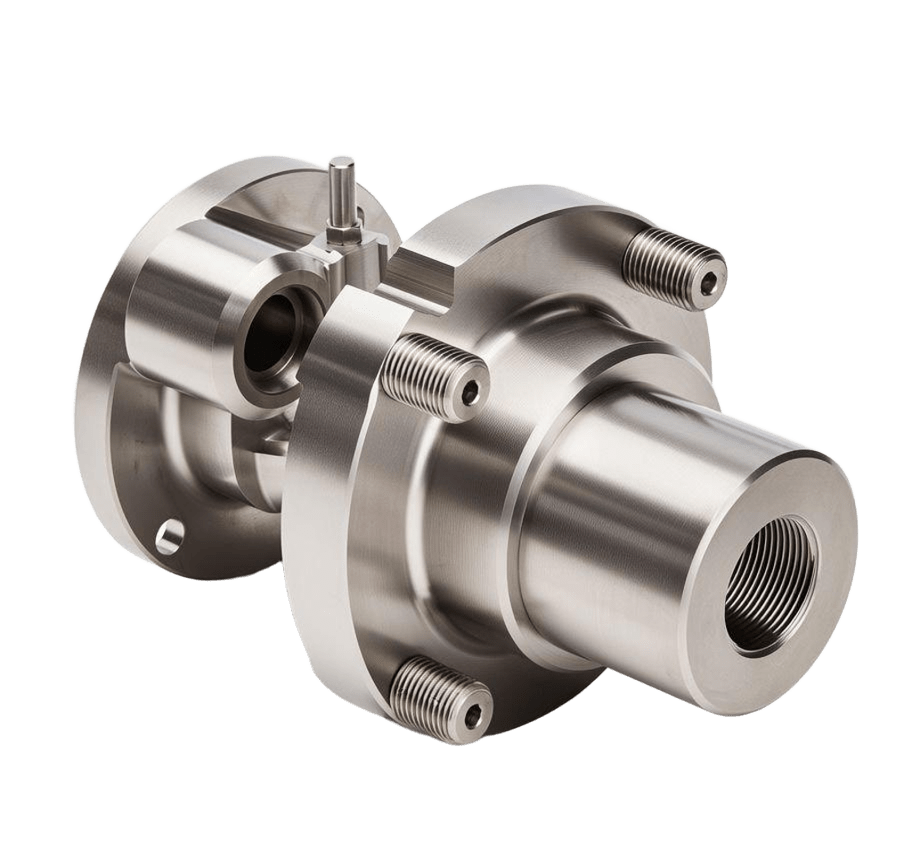
Get a Free DFM Assessment
STP I SLDPRT I IPT I PRT I SAT FLES
All uploaded content is secure and confidential.
Steel in CNC Machining
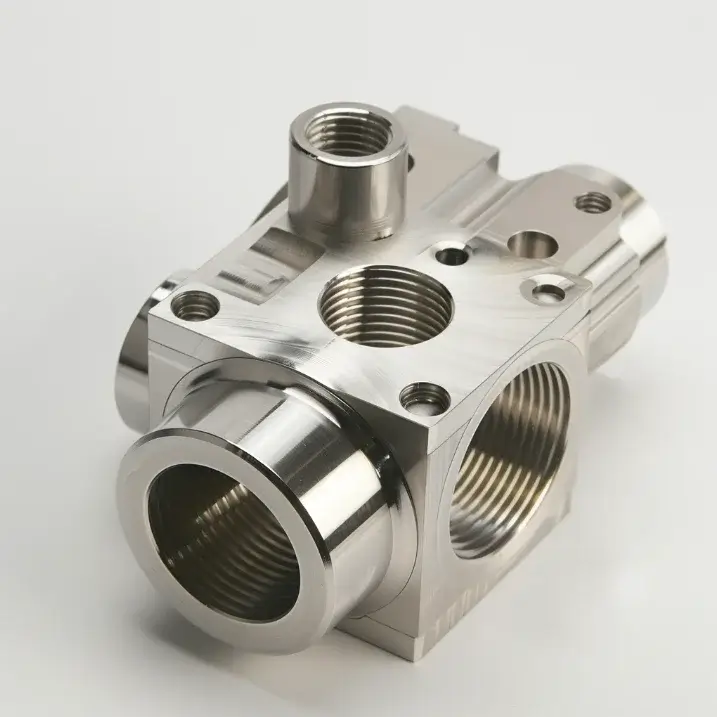
Steel CNC machining is commonly used for structural and load-bearing parts that require strength, hardness, and wear resistance. It is typically applied in automotive, machinery, energy equipment, and general industrial components such as shafts, gears, brackets, and housings.
ZH Precision machines carbon steel and alloy steel using CNC milling and turning processes for both cnc prototype and production quantities. We handle parts with complex geometry and maintain dimensional tolerances based on drawing requirements, ensuring stable repeatability across batches.
Post-processing options include black oxide, zinc plating, nickel plating, powder coating, polishing, and painting depending on corrosion resistance and surface requirements. Material certificates and inspection reports can be provided if required for production or quality documentation.
CNC Machining Capability in Steel
| Feature | Detail |
|---|---|
| Maximum Part Size | 3200 mm × 1200 mm × 500 mm |
| General Tolerances | ±0.02 mm; Precision Grade ±0.008 mm |
| Minimum Surface Roughness | Ra0.4 μm (Fine Grinding) |
| Standard Lead Time | 4–5 business days |
| Express Lead Time | 2 business days |
| Cost Level | $$ – $$$ (Depends on steel grade & tolerance) |
| Available Steel Grades | Mild Carbon, Alloy, Stainless Steel (1018/4140/304/316L) |
| Processing Equipment | 3/4/5-Axis CNC Milling, CNC Turning, Surface Grinding |
1018 steel is a low-carbon steel known for its excellent machinability, good weldability, and cost-effectiveness. It is widely used for CNC machined shafts, pins, brackets, fixtures, and general-purpose mechanical components in industrial and automation applications.
| Tensile Strength, Yield (MPa) | Fatigue Strength (MPa) | Elongation at Break (%) | Hardness (Brinell) | Density (g/cm³) |
|---|---|---|---|---|
| 290–320 | 120–135 | 28–33 | 110–125 | 7.85 |
1045 steel is a medium-carbon steel with higher strength and wear resistance than low-carbon steels while maintaining good machinability. It is commonly used for CNC machined gears, shafts, pins, couplings, and other mechanical components requiring moderate strength and durability.
| Tensile Strength (MPa) | Yield Strength (MPa) | Fatigue Strength (MPa) | Elongation at Break (%) | Hardness (Brinell) | Density (g/cm³) |
|---|---|---|---|---|---|
| 340–370 | 300–330 | 160–180 | 14–18 | 180–200 | 7.85 |
A36 structural steel offers good weldability and moderate strength, making it widely used for CNC machined structural and welded components. It is commonly applied in equipment frames, machine bases, structural supports, and large industrial housings.
| Tensile Strength (MPa) | Yield Strength (MPa) | Fatigue Strength (MPa) | Elongation at Break (%) | Hardness (Brinell) | Density (g/cm³) |
|---|---|---|---|---|---|
| 400–550 | 235 | 100–115 | 22–27 | 100–120 | 7.85 |
4130 chromium-molybdenum alloy steel offers a strong balance of toughness, strength, and weldability, especially after heat treatment. It is widely used for CNC machined aerospace structural components, hydraulic parts, and automotive performance parts under medium load conditions.
| Tensile Strength (MPa) | Yield Strength (MPa) | Fatigue Strength (MPa) | Elongation at Break (%) | Hardness (Brinell) | Density (g/cm³) |
|---|---|---|---|---|---|
| 520–620 | 410–460 | 210–235 | 12–16 | 250–285 | 7.85 |
4140 chromium-molybdenum alloy steel provides excellent strength, toughness, and fatigue resistance after quenching and tempering. It is widely used for CNC machined heavy-duty shafts, high-strength bolts, tooling bases, and automotive drivetrain components.
| Tensile Strength (MPa) | Yield Strength (MPa) | Fatigue Strength (MPa) | Elongation at Break (%) | Hardness (Brinell) | Density (g/cm³) |
|---|---|---|---|---|---|
| 620–690 | 415–600 | 230–255 | 10–14 | 280–320 | 7.85 |
4340 nickel-chromium-molybdenum alloy steel offers excellent strength, toughness, and hardenability after heat treatment. It is widely used for CNC machined aerospace structural components, heavy-duty shafts, axles, and high-stress fastening parts.
| Tensile Strength (MPa) | Yield Strength (MPa) | Fatigue Strength (MPa) | Elongation at Break (%) | Hardness (Brinell) | Density (g/cm³) |
|---|---|---|---|---|---|
| 750–900 | 470–650 | 280–330 | 8–12 | 340–390 | 7.85 |
A2 air-hardening tool steel offers good wear resistance, toughness, and dimensional stability after heat treatment. It is widely used for CNC machined tooling components, cutting fixtures, punches, and industrial wear parts.
| Tensile Strength (MPa) | Yield Strength (MPa) | Fatigue Strength (MPa) | Elongation at Break (%) | Hardness (Brinell) | Density (g/cm³) |
|---|---|---|---|---|---|
| 1100–1500 | 900–1200 | 380–450 | 2–5 | 520–580 | 7.86 |
D2 high-chromium cold work tool steel provides outstanding wear and abrasion resistance after heat treatment. It is widely used for CNC machined tooling components, industrial wear parts, and long-life stamping and forming dies.
| Tensile Strength (MPa) | Yield Strength (MPa) | Fatigue Strength (MPa) | Elongation at Break (%) | Hardness (Brinell) | Density (g/cm³) |
|---|---|---|---|---|---|
| 1400–1700 | 1100–1400 | 420–490 | 1–3 | 560–630 | 7.70 |
Steel CNC Machining Quote Request
Send us your drawings or CAD files for steel CNC machined parts. We will review your requirements and provide a quotation based on material, tolerance, and quantity.
Surface Finishing Options for Steel
Steel CNC machined parts can be finished using a range of surface treatment processes to improve corrosion resistance, wear resistance, hardness, and appearance. These finishing options help extend service life and ensure reliable performance in different industrial environments, from structural applications to precision mechanical systems.
As Machined
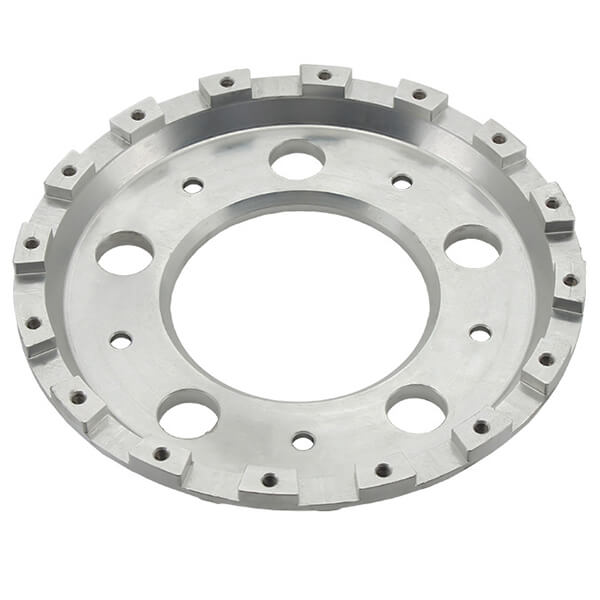
The part is used directly after CNC machining without extra treatment, keeping tool marks and tight dimensional accuracy.
Anodizing
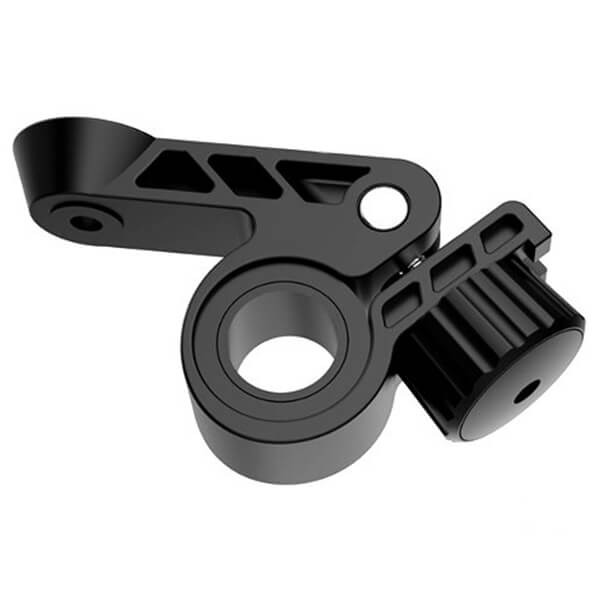
Black oxide adds a thin protective layer that improves corrosion resistance and gives a matte black appearance.
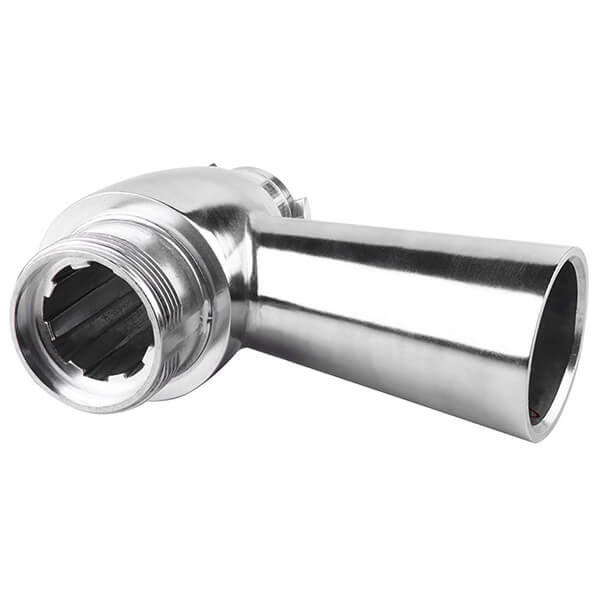
Polishing
Electroplating applies a metal coating like zinc or nickel to enhance corrosion resistance and durability.
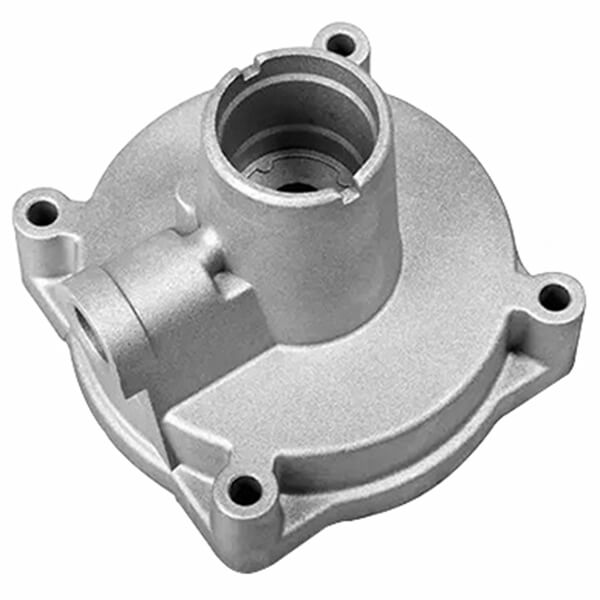
Sand Blasting
Sand blasting creates a uniform matte surface and improves coating adhesion for later finishing processes.
What is steel CNC machining?
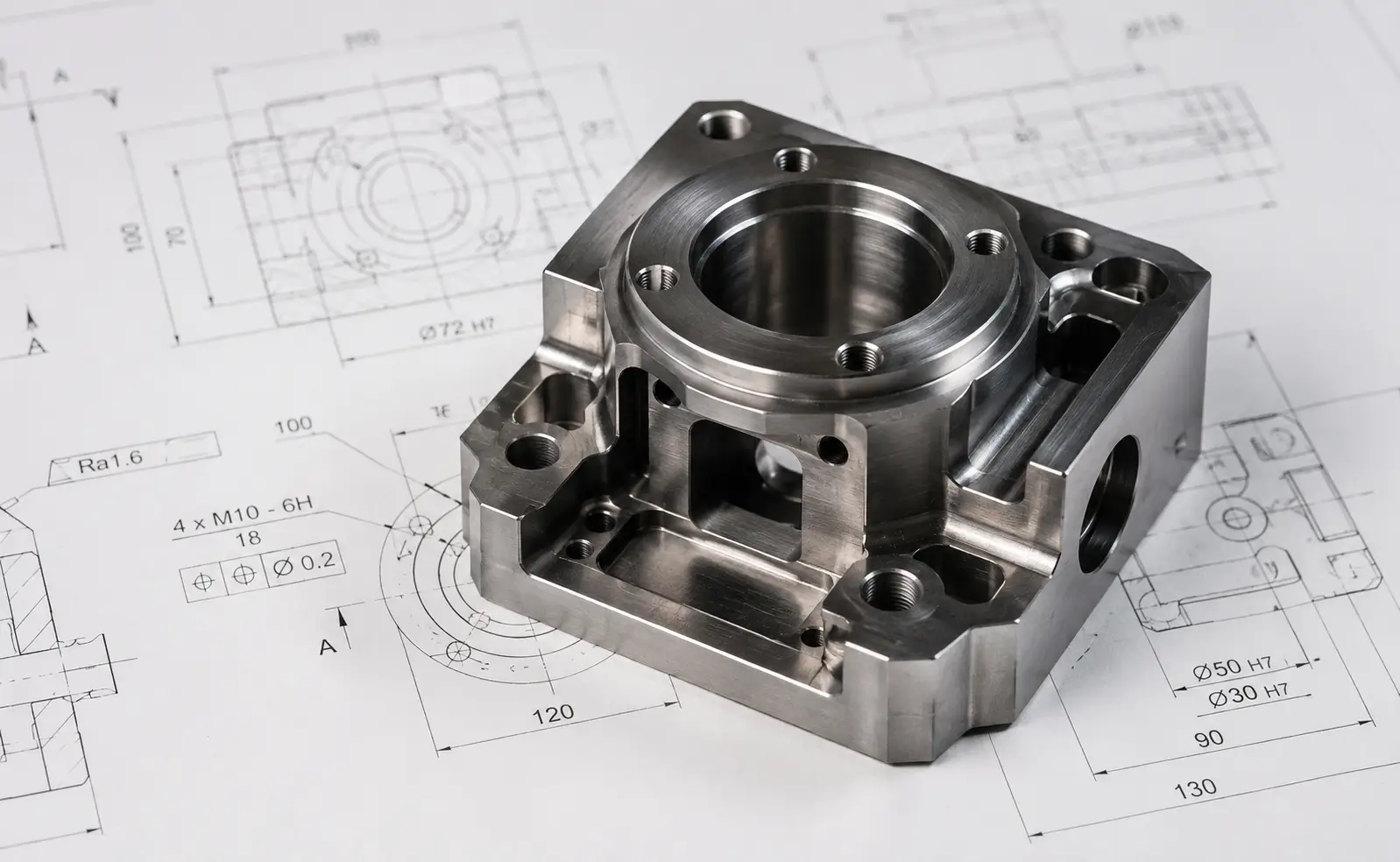
Steel CNC machining is a subtractive manufacturing process in which material is removed from a solid steel workpiece to achieve the final geometry and required tolerances.
The process typically uses CNC milling or turning equipment, where cutting tools follow a programmed toolpath based on CAD data. Material is progressively removed from steel billets, bars, or forged blanks until the final part shape is formed.
It is commonly used to produce functional steel components such as shafts, gears, brackets, housings, and structural parts for industries including automotive, aerospace, industrial machinery, and energy applications, where strength, accuracy, and repeatability are required.
Advantages of Steel CNC Machining
1.High strength for structural applications:Steel offers high tensile strength and load-bearing capability. CNC-machined steel parts are suitable for structural components, brackets, and fixtures requiring rigidity and stability under stress.
2.Excellent wear resistance and durability:Steel especially alloy and stainless steel performs well in high-friction environments and maintains durability over long service life.
3.High machining precision for complex parts:CNC machining achieves tight tolerances and complex geometries in steel parts with stable accuracy and good surface finish.
4.Wide material selection flexibility:Steel includes carbon steel, stainless steel, and alloy steel, allowing selection based on strength, corrosion resistance, and cost.
5.Excellent compatibility with surface treatments:Steel parts support plating, black oxide, heat treatment, and coating to improve corrosion resistance and surface performance.
6.Balanced cost-to-performance ratio:Steel provides a cost-effective solution compared to titanium while maintaining strong mechanical performance for industrial use.
Applications of CNC Machined Steel Parts
1.Industrial machinery components:CNC machined steel parts are widely used in machine frames, brackets, gears, and transmission components that require high strength and durability.
2.Automotive parts:Steel CNC machining is commonly used for engine components, suspension parts, shafts, and custom structural automotive parts.
3.Tooling and fixtures:Steel is ideal for jigs, molds, fixtures, and workholding tools due to its rigidity and wear resistance.
4.Construction equipment parts:Heavy-duty steel components are used in excavators, loaders, and other construction machinery for load-bearing applications.
5.Energy and power systems:Steel machined parts are used in turbines, generators, and power transmission equipment where strength and reliability are critical.
6.Aerospace and defense components:High-strength steel is used for structural aerospace parts, landing gear components, and defense system hardware requiring precision and toughness.
Frequently Asked Questions
A: We machine a wide range of steel materials including carbon steel, stainless steel (304/316), alloy steel, and tool steel. Each material can be selected based on strength requirements, corrosion resistance, machinability, and cost targets for different industrial applications.
A: Steel CNC machining typically achieves tolerances from ±0.01 mm to ±0.05 mm, depending on part geometry, structure complexity, and material grade. With proper process control and inspection, high-precision parts can meet strict engineering and functional requirements.
A: Yes, hardened steel can be machined using specialized cutting tools and optimized machining strategies. While it is more challenging than standard steel, we can maintain stable accuracy and surface quality, although machining time and cost may increase accordingly.
A: Steel provides significantly higher strength, hardness, and wear resistance compared to aluminum, making it more suitable for load-bearing, high-stress, and long-term structural applications. Aluminum is lighter and easier to machine, but steel performs better in demanding mechanical environments.
A:We offer multiple finishing options including black oxide, electroplating (zinc or nickel), sand blasting, powder coating, and heat treatment. These processes improve corrosion resistance, surface durability, and appearance depending on the application requirements.
A: The cost is influenced by material grade, part complexity, tolerance requirements, batch size, machining time, and surface finishing. More complex geometries, tighter tolerances, and harder materials typically increase both machining time and overall cost.