
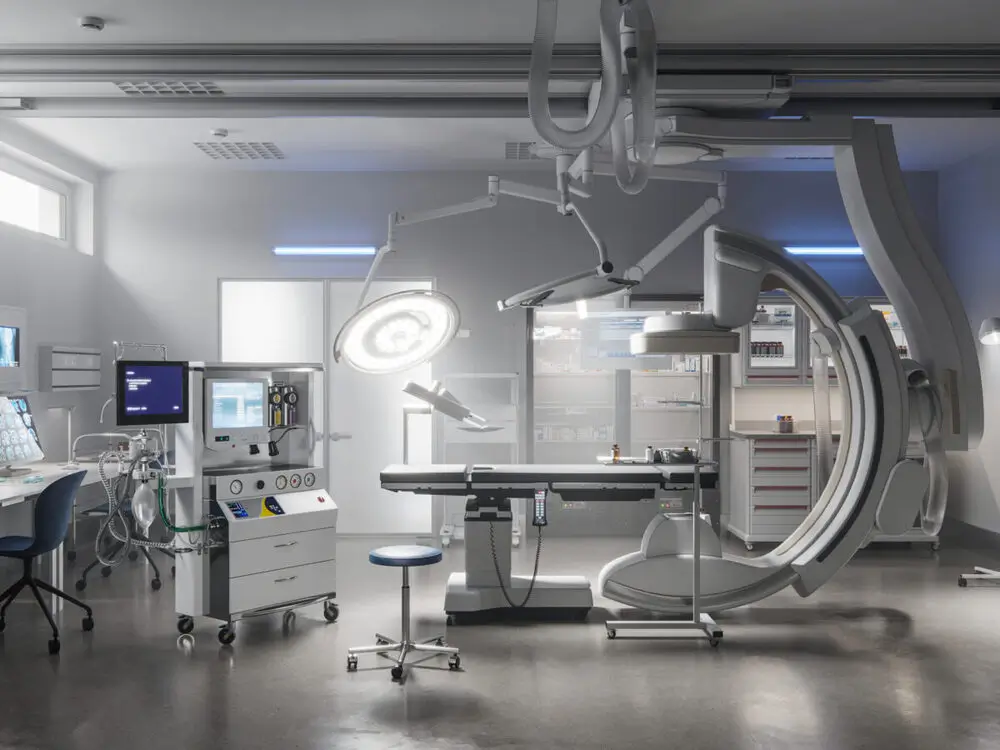

Medical Devices Industry
High-precision CNC prototyping and on-demand manufacturing solutions for the medical device industry, supporting rapid R&D prototyping, design iteration, and custom production with tight-tolerance machining to ensure reliable, consistent performance of medical components.
- Competitive Pricing & DFM Optimization
- 24/7 Engineering Support
- Fast Lead Time & No MOQ
- Medical-Grade Materials & Finishing
Verify Certifications On Demand:ISO 9001:2015 | IATF 16949:2016

Medical Devices CNC Prototyping and Manufacturing with ZH Precision
ZH Precision provides CNC prototyping and precision manufacturing support for the medical device industry, covering the full product development cycle from early-stage R&D validation and design iteration to low and medium volume production. Tight-tolerance machining and controlled manufacturing processes ensure consistent dimensional accuracy, stable performance, and reliable quality for medical components used in critical applications.
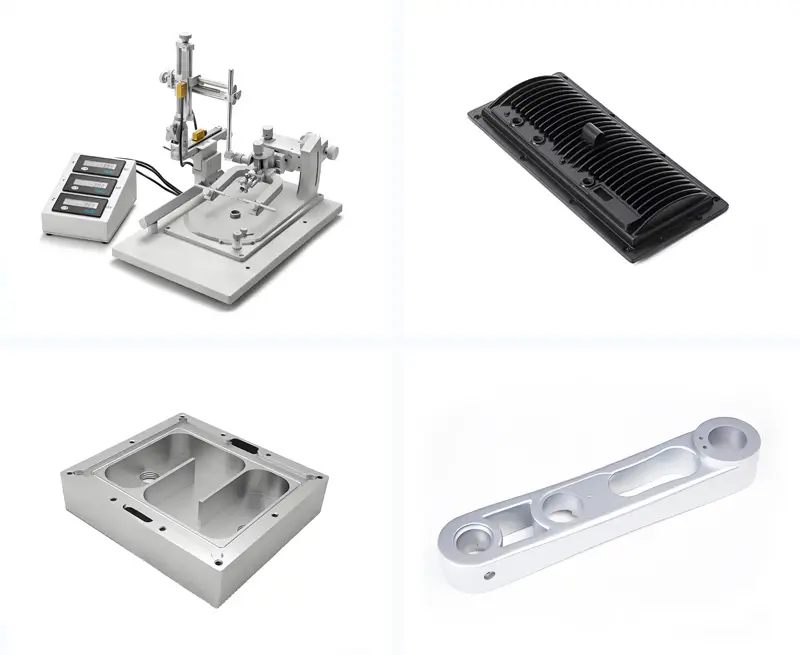
Support is provided for a wide range of medical device parts, including surgical instrument components, diagnostic equipment structures, medical enclosures, robotic systems, and precision connectors. Aluminum alloys (6061 / 7075) and stainless steel (304 / 316) are processed to meet complex geometries, strict dimensional requirements, and functional surface finishing needs for both prototyping and production stages.

Why Choose ZH Precision for Medical Devices Manufacturing
ZH Precision is a reliable manufacturing partner for the medical device industry, providing CNC prototyping and precision manufacturing for high-accuracy medical components. We support OEMs with engineering assistance, rapid prototyping, and scalable production for parts with strict dimensional and quality requirements.

Engineering Capabilities
15+ years focused on medical CNC machining with 24/7 engineering support and DFM optimization to improve manufacturability, reduce design risks, and support stable production readiness.
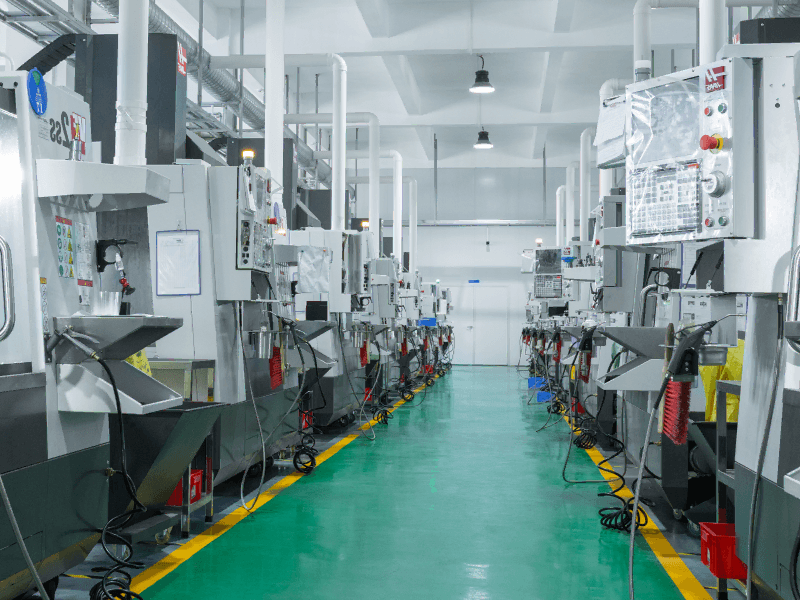
Fast Lead Time
Optimized CNC workflows and precision machining equipment enable rapid prototyping and efficient production cycles for medical device development and manufacturing programs.
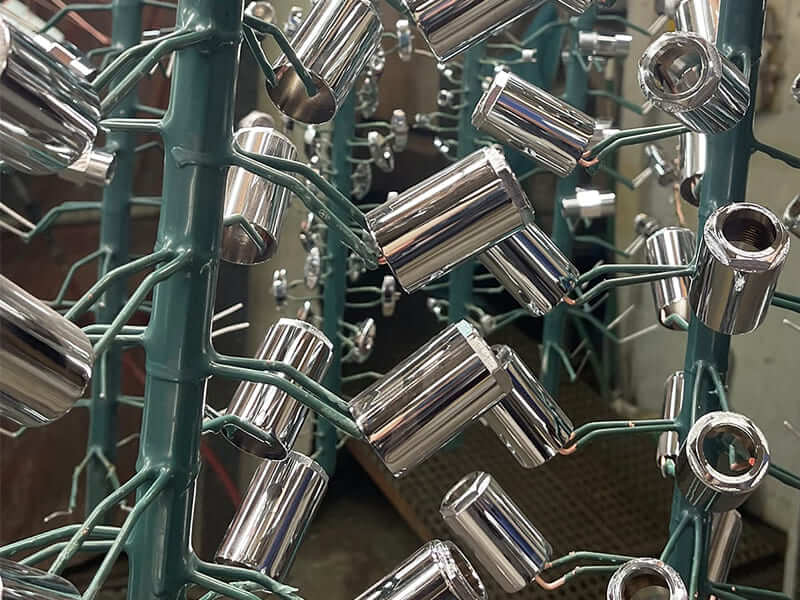
Surface Finishes
Controlled surface finishing processes including anodizing, bead blasting, polishing, and passivation enhance durability, corrosion resistance, and functional surface quality for medical components.
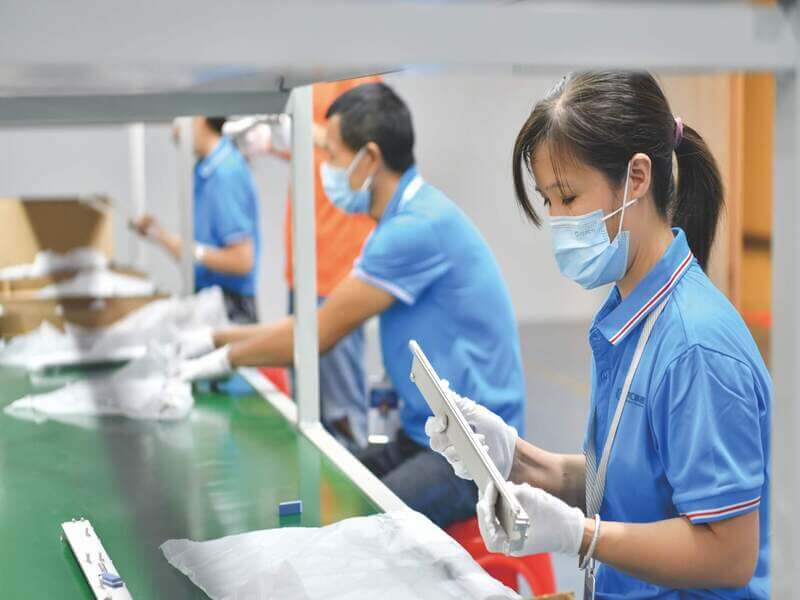
Precision Assembly
Precision assembly processes ensure accurate fit, structural stability, and reliable mechanical performance of complex medical device components.
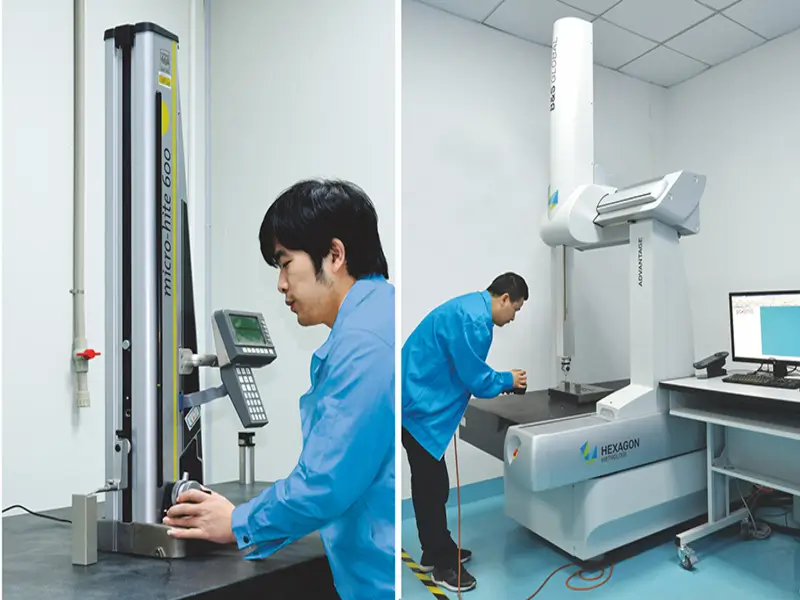
Quality Control
ISO 9001-based inspection system with CMM measurement ensures tight tolerances, dimensional stability, and consistent batch quality for medical manufacturing.
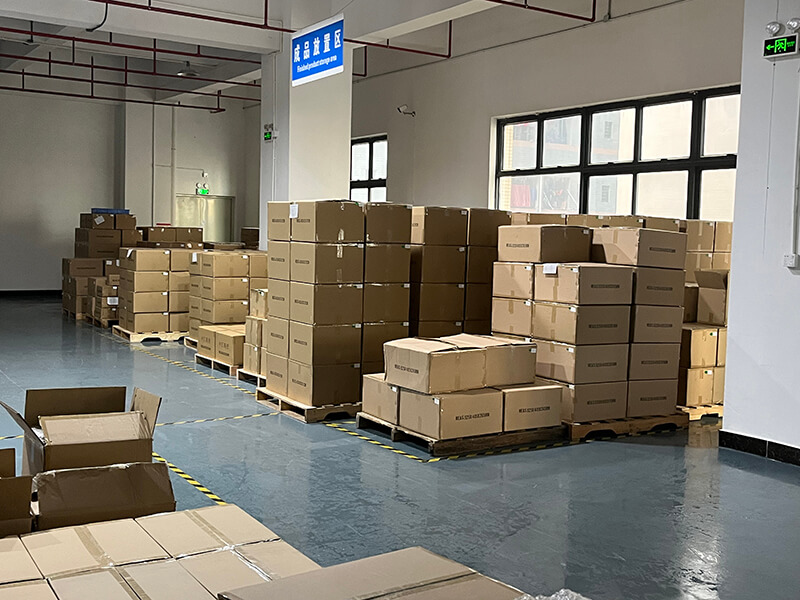
Packaging and Shipping
Medical-grade protective packaging and global logistics ensure safe handling, traceable delivery, and consistent worldwide shipment of precision medical parts.
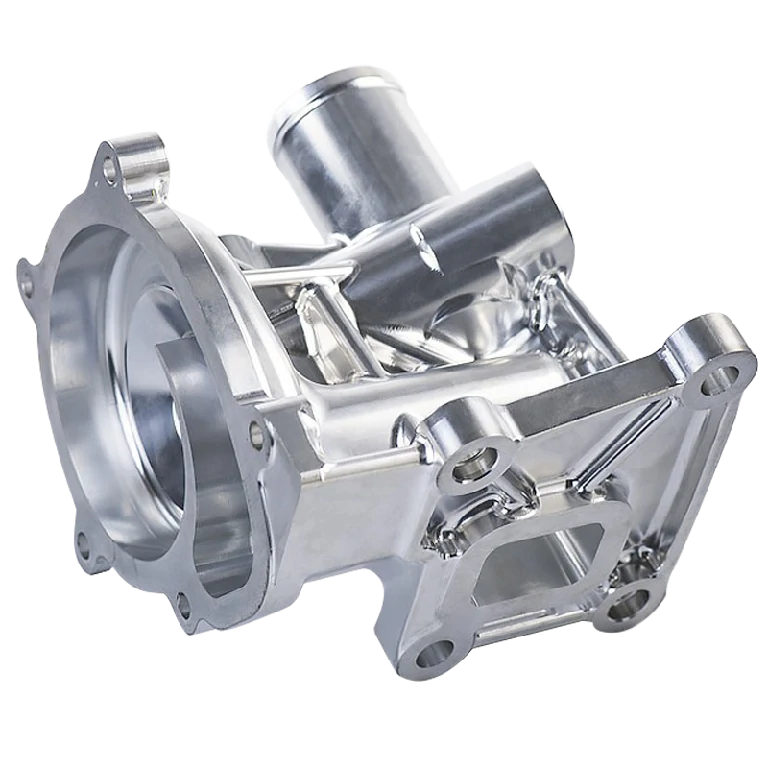
From Medical Device Prototyping to Full Production
Integrated CNC prototyping and production services support the full medical device development cycle, from concept validation to engineering optimization and scalable manufacturing. Focused on fast prototype turnaround and reliable production lead times, while maintaining strict control over precision, consistency, and manufacturability.
Medical Device Prototyping
CNC prototypes support functional testing, design verification, and early-stage engineering evaluation of medical components before production.
Design Optimization
Part geometry, tolerances, and assembly structures are reviewed to improve manufacturability and reduce production risks.
Process Preparation
Machining strategies, tooling plans, and quality control standards are defined before production for stable manufacturing performance.
Scalable Production
CNC machining and multi-process manufacturing ensure stable production with tight tolerances, consistent quality, and reliable lead times.
Get A Free DFM Assessment
Get A Free DFM AssessmentOur engineers can evaluate your design and recommend the most cost-effective solution — from CNC machining and die casting to sheet metal fabrication and aluminum extrusion.
Medical Device Component Manufacturing Services
Medical device components require high precision, stable performance, and consistent quality across every production stage. Manufacturing support focuses on producing complex, tight-tolerance parts used in critical medical applications, ensuring reliable functionality from prototyping to mass production.

CNC Machining
Precision CNC milling and turning for medical components with tight tolerances, complex geometries, and consistent dimensional accuracy for functional and structural applications.
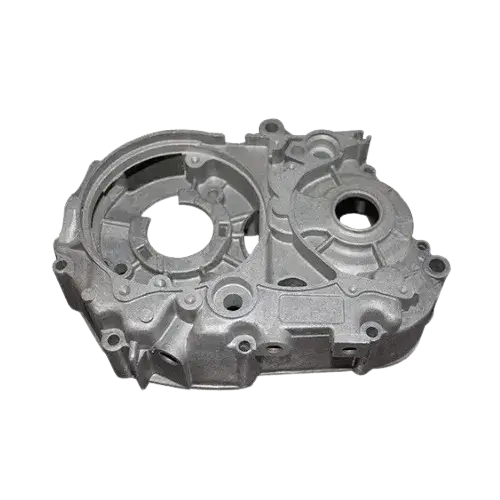
Die Casting
Aluminum, zinc, and magnesium die casting for medical device housings and structural parts, ensuring stable batch quality and reliable mechanical performance.
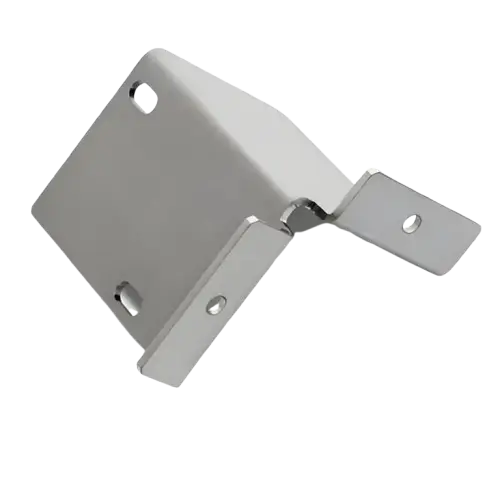
Sheet Metal Fabrication
Laser cutting, bending, welding, and assembly of medical sheet metal enclosures and structural components with precise fit and durable construction.
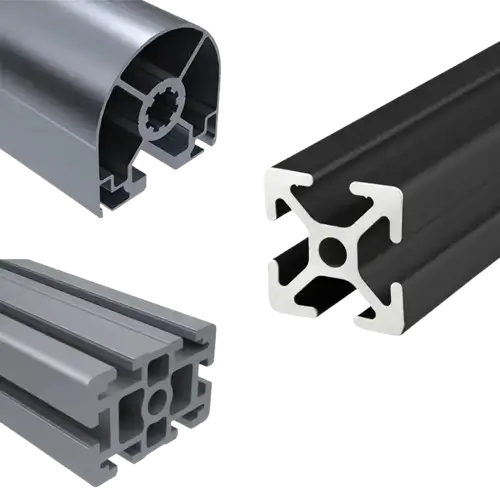
Aluminum Extrusion
Aluminum extrusion for medical device frames and structural profiles, delivering lightweight strength, uniform cross-sections, and stable mechanical consistency.
Medical Materials & Surface Finishing Solutions
Medical device manufacturing relies on carefully selected engineering materials and controlled surface finishing processes to ensure strength, stability, corrosion resistance, and long-term performance in medical applications.

Materials
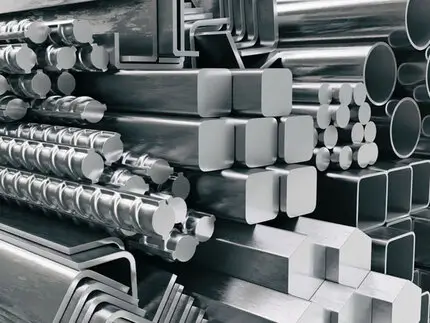
Medical manufacturing materials include stainless steel, aluminum alloys, titanium alloys, and copper alloys, supporting structural components, functional parts, and precision assemblies used across a wide range of medical device applications.
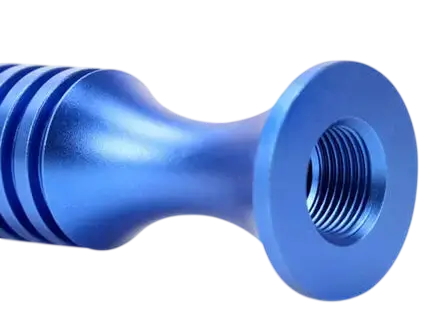
Surface Treatment
Surface finishing processes include anodizing, polishing, passivation, bead blasting, coating, and other functional treatments, improving corrosion resistance, surface quality, wear resistance, and overall reliability of medical components.
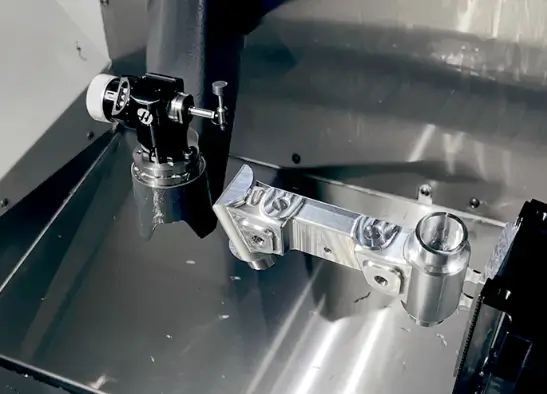
Which Medical Device Components Can ZH Precision Produce?
ZH Precision specializes in medical device CNC machining and precision metal manufacturing, supplying high-tolerance metal components for structural, mechanical, and functional medical equipment applications. We strictly control dimensional accuracy and process stability to deliver reliable metal parts that perfectly fit medical system assembly and long-term operational requirements.
- Medical Device Housing
- Medical Equipment Frame
- Medical Mounting Bracket
- Medical Mounting Plate
- Diagnostic Device Enclosure
- Medical Device Base Structure
- Motion System Components
- Sensor Mounting Bracket
- Heat Dissipation Components
- Control System Housing
- Medical Connector Components
- Medical Equipment Chassis
- Medical Sliding Rail Components
- Medical Linear Guide Parts
- Medical Adjustment Knob & Fittings
- Medical Internal Support Beam
- Medical Shield & Protection Plate
- Medical Instrument Structural Parts
- Medical Pipeline Fixed Parts
- Medical Worktable Structural Parts

What is Medical Device Prototype Manufacturing?
Medical device prototyping is the process of creating early-stage physical models of a medical device to validate design concepts, structural feasibility, and functional performance before moving into mass production. It helps determine whether a design can meet real engineering requirements, manufacturing constraints, and application conditions in medical environments.
Through prototype manufacturing, medical companies can test form, fit, and function under realistic usage scenarios, identify design weaknesses such as assembly interference or tolerance issues, and optimize structural and functional performance before production tooling and regulatory validation stages. This process reduces development uncertainty and improves overall product reliability and manufacturability.
Advantages of Medical Device Prototype Manufacturing
1. Clear product vision: Prototyping provides a tangible representation of the final medical device, helping align design intent and stakeholder expectations early in development.
2.User-centered design: Supports iterative improvements based on usability, clinical workflow, and real-world application needs in medical environments.
3.Error identification: Detects design flaws, assembly issues, and functional risks during the prototype stage before production.
4.Cost efficiency: Reduces unnecessary tooling changes and redesign costs by validating manufacturability early in the development process.
5.Fast development: Accelerates medical device development cycles through rapid CNC prototyping and efficient design iteration.
6.Improved communication: Enhances collaboration between engineering, manufacturing, and product teams through physical prototype validation.
7.Risk mitigation: Reduces technical and manufacturing risks by validating structure, fit, and function before scaling to production.
8.Iterative improvement: Enables continuous optimization of medical device design through multiple prototype development cycles.
Frequently Asked Questions
A: We provide DFM (Design for Manufacturability) feedback at the early prototyping stage and support necessary design adjustments and file revisions to improve manufacturability, machining feasibility, and assembly performance. This helps engineering teams finalize design decisions more efficiently before production release.
A: All CAD files, technical drawings, and project-related information are managed under strict confidentiality procedures. Customer data is used exclusively for authorized manufacturing purposes, with controlled access and internal handling to ensure design security throughout the project lifecycle.
A: Prototype and production processes are aligned in machining methods, tolerance standards, and surface requirements to ensure consistent part quality across different production stages. This reduces variation during scale-up and supports a stable transition from design validation to volume manufacturing.
A: Engineering support is available to review part geometry and manufacturing requirements to identify opportunities for process optimization, material efficiency, and machining simplification. Any suggestions are made while maintaining functional integrity, structural reliability, and medical application requirements.
A: Pricing is based on material type, part complexity, machining time, and surface finishing requirements. DFM optimization is provided to help reduce unnecessary machining cost before production starts.
