Surface Finishing Services
We provide custom surface finishing services tailored to your specifications. Various treatments improve surface smoothness, hardness, wear resistance, and corrosion resistance, while enhancing overall appearance. Our solutions meet both functional and aesthetic requirements across a wide range of applications.
- Specification-Driven Machining
- Repeatable Production Quality
- Tight Tolerance Control
Verify Certifications On Demand:ISO 9001:2015 | IATF 16949:2016
Get a Free DFM Assessment
STP I SLDPRT I IPT I PRT I SAT FLES
All uploaded content is secure and confidential.
What is Surface Finish?
Surface finish refers to the texture, smoothness, and surface topography of a machined part. It is commonly measured by surface roughness parameters such as Ra, and plays a critical role in both appearance and performance. Surface finish affects how components fit together, move against each other, and resist wear, friction, and corrosion in real-world applications.
For metal components, proper control of surface finish helps reduce friction, improve sealing performance, and extend part lifespan. It also supports tighter tolerances and better assembly consistency, ensuring parts meet both functional and visual requirements.
Surface Finishing Solutions for Your Parts
We offer a wide range of surface finishing options to enhance both the performance and appearance of your parts. Each process is selected based on material, function, and aesthetic requirements, ensuring optimal results for your specific application.
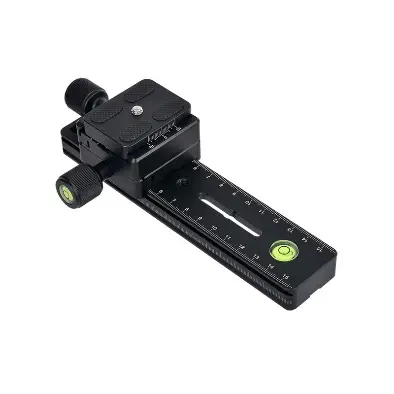
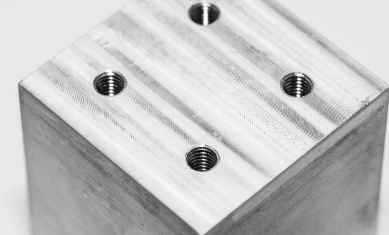
As Machined (Machined Finish)
Natural surface after machining with visible tool marks and Ra 1.6–3.2 μm.
Learn More →Process: CNC Machining
Material: All Metals
Process: Die Casting
Material: Aluminum, Zinc
Process: CNC / Die Casting
Material: Aluminum
Process: CNC / Die Casting
Material: All Metals
Process: CNC / Die Casting
Material: Aluminum, Steel
Process: CNC / Die Casting
Material: Metal, Plastic
Process: CNC / Die Casting
Material: Metal, Plastic
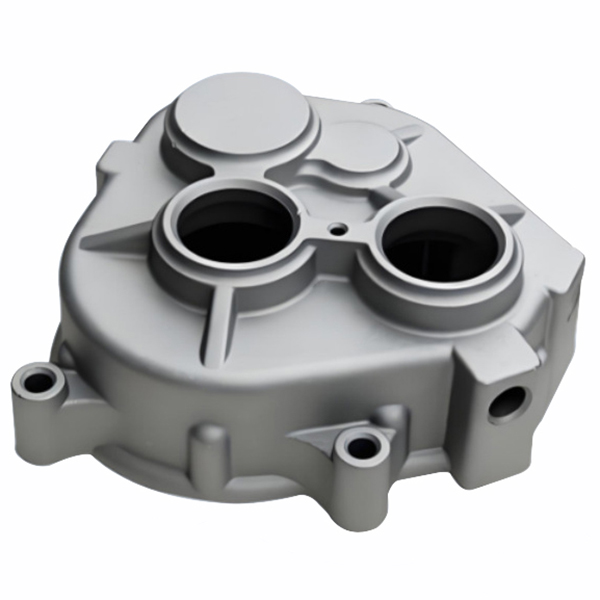
Alodine (Chromate Conversion)
Improves corrosion resistance and coating adhesion for aluminum.
Learn More →Process: CNC / Die Casting
Material: Aluminum
Process: CNC / Die Casting
Material: Steel, Aluminum
Process: CNC / Die Casting
Material: Aluminum, Stainless Steel
Process: CNC / Die Casting
Material: Aluminum, Steel
Process: CNC / Die Casting
Material: Steel, Brass, Copper
Process: CNC / Die Casting
Material: Metal, Plastic
Appearance Inspection & Acceptance Criteria
All surface finishing processes at ZH Precision are controlled under strict quality inspection procedures. Each component is inspected against customer drawings and finish specifications to ensure coating uniformity, surface texture consistency, and color accuracy before delivery.
Surface Finish Quality Standards
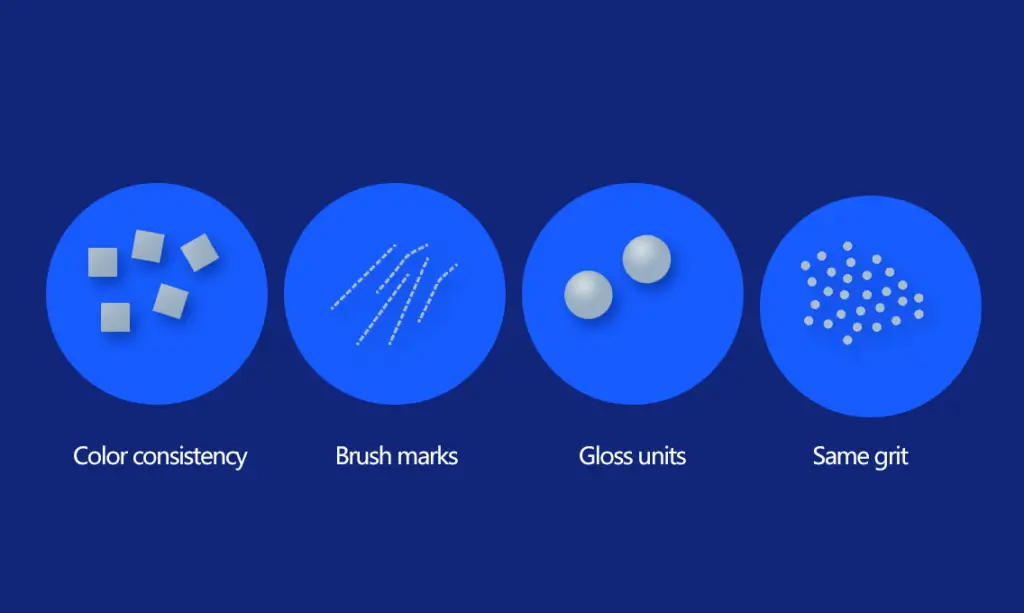
- All surface finishes must meet uniform requirements in color, gloss, and texture according to approved customer drawings.
- Coating, anodizing, and finishing processes are controlled to ensure stable batch-to-batch consistency in production.
- Visible defects such as scratches, bubbles, peeling, cracks, or discoloration are not acceptable.
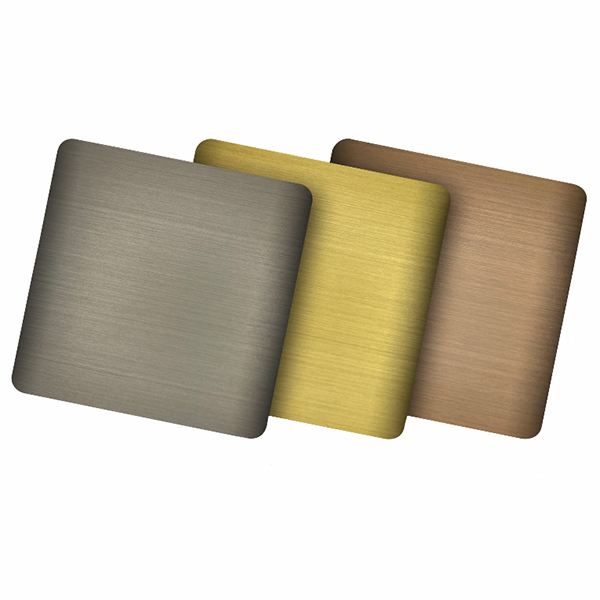
- Brushed and textured finishes must maintain consistent grain direction and surface pattern across all parts.
- Final inspection is conducted before shipment to ensure full compliance with appearance and functional requirements.
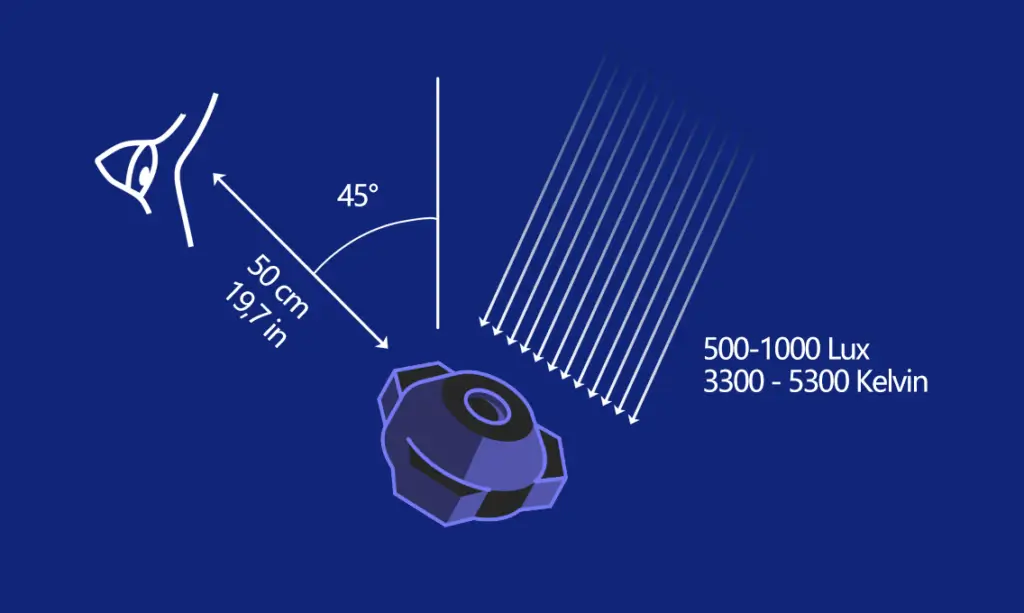
Visual Inspection Standards
- All parts are inspected under controlled lighting conditions to ensure consistent appearance quality before shipment.
- Each component is evaluated against approved drawings and reference samples to ensure compliance in surface finish, color, and visual consistency.
- Visible defects such as scratches, dents, burrs, stains, peeling, or coating damage are not acceptable.
- Surface treatments including anodizing, plating, painting, and coating must remain uniform without discoloration or contamination.
- Final inspection is conducted prior to packaging to ensure stable and repeatable production quality across batches.
Surface Finishing FAQs
A:Surface finish selection shall be determined comprehensively by part material, functional application, operating environment, aesthetic specification, dimensional tolerance requirement, compliance standard and project budget. It is necessary to prioritize core performance demands including corrosion resistance, wear resistance, insulation, conductivity and assembly fit, then select the optimal finishing solution that matches industry application scenarios.
A:Not all surface finishing processes are applicable to functional prototyping. Certain treatments will alter surface hardness, introduce coating build-up thickness, or interfere with mating clearance, which may compromise assembly accuracy and mechanical performance. Only low material-loss and minimal-tolerance-impact finishes are recommended for functional prototype validation.
A:Dual or combined surface finishes on a single component are technically feasible. By adopting masking and selective area processing, different decorative, functional and protective treatments can be applied to designated zones to satisfy differentiated design, performance and visual requirements.
A:Surface finishing can impose varying degrees of impact on dimensional and tolerance consistency. Deposition-type processes such as plating and coating will increase material layer thickness; physical texturing and polishing involve minor material removal. For high-precision parts, process allowance compensation is required to guarantee final dimensional compliance.
A:All conventional surface finishing solutions conform to RoHS and REACH environmental compliance requirements. Relevant qualification and compliance documents can be provided upon request to support industrial electronics, commercial equipment and regulated industry project audits.
A:Service life and weather resistance vary by finish grade. Industrial outdoor-rated finishes deliver excellent UV resistance, moisture corrosion resistance and anti-aging performance for long-term outdoor deployment. Standard decorative finishes are only applicable to indoor environments and prone to fading, oxidation and performance degradation under outdoor exposure.
A:For long-term service stability, maintain finished parts with neutral cleaning agents and soft non-abrasive materials. Avoid strong acid-base solvents, rigid scratch contact and prolonged high-temperature exposure. Keep components dry during storage and regular routine maintenance can effectively extend the service lifecycle of surface treatments.
A:Standard conventional surface finishing has a baseline lead time of 1–3 working days. Custom formula, multi-layer composite and special industrial-grade finishing processes normally take 3–5 working days. Expedited processing service is available for time-sensitive projects on demand。