
Titanium CNC Machining Services
Custom titanium CNC machining service with low minimum order. CNC turning/milling for all titanium grades, competitive factory price, quick turnaround for global buyers.
Verify Certifications On Demand:ISO 9001:2015 | IATF 16949:2016
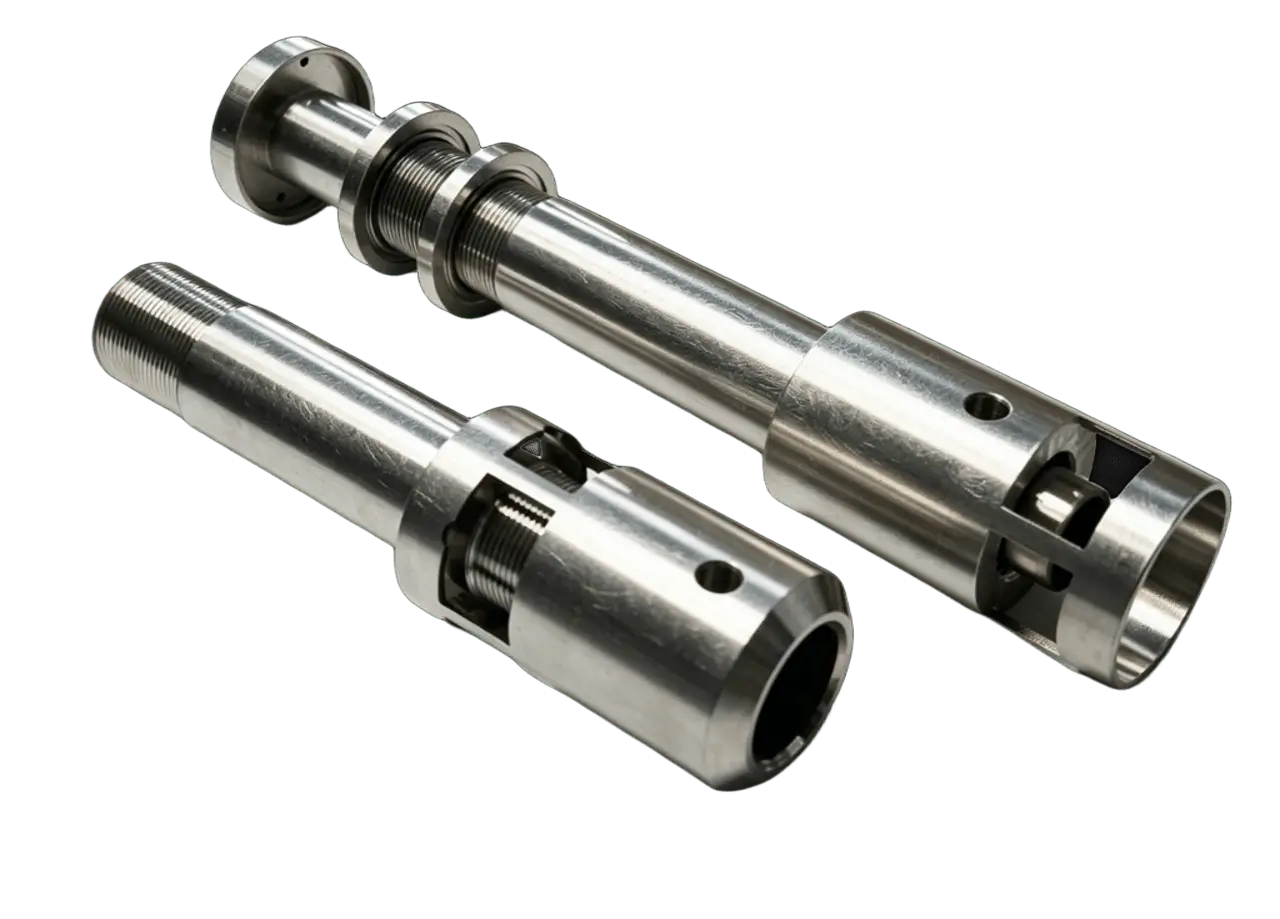
Get a Free DFM Assessment
STP I SLDPRT I IPT I PRT I SAT FLES
All uploaded content is secure and confidential.
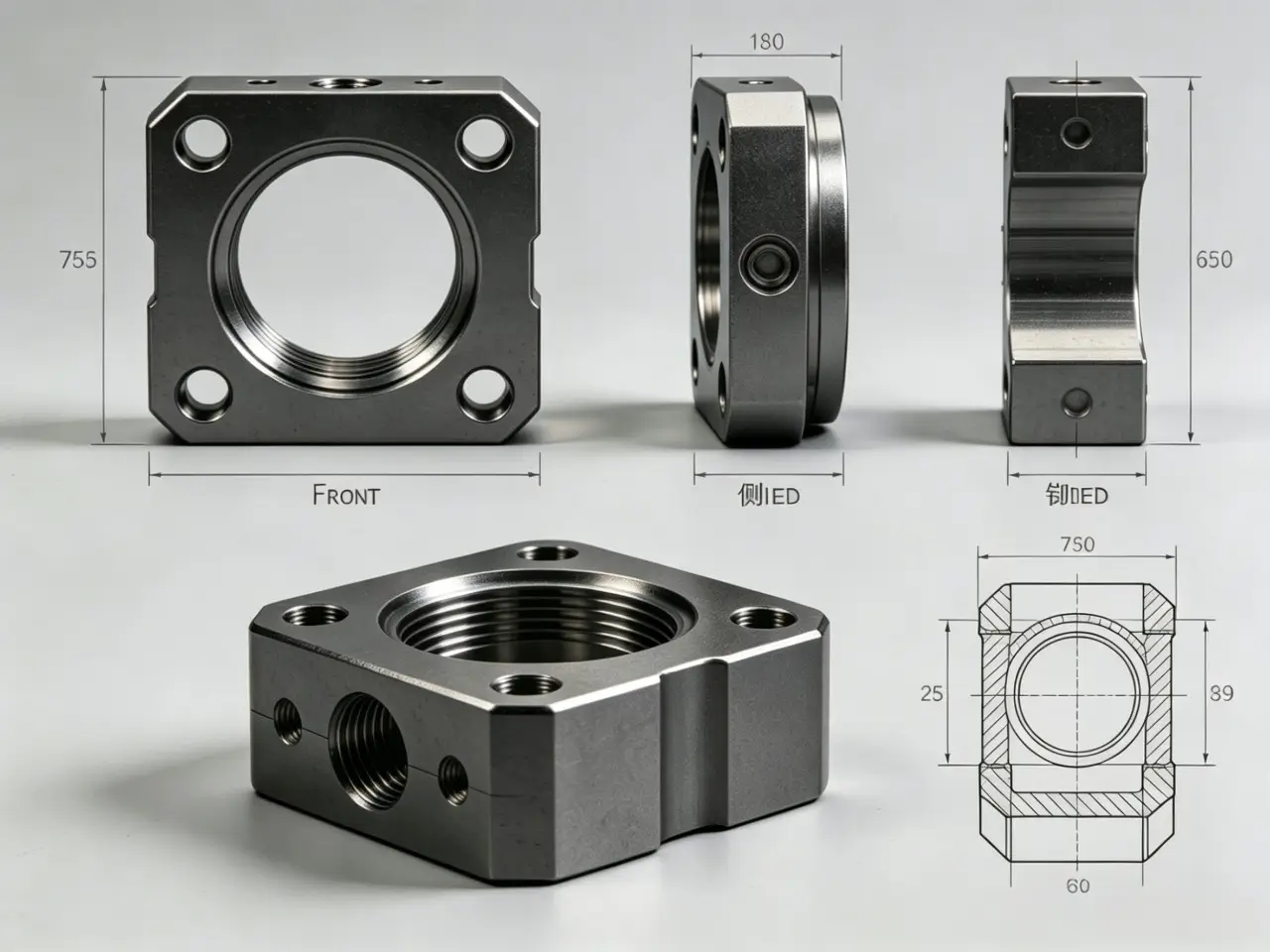
Titanium CNC Machining
We deliver professional titanium CNC machining including titanium turning and milling for Grade 2, Grade 5 and medical-grade titanium alloys. Our 3-axis and 5-axis CNC equipment overcomes the poor thermal conductivity and high cutting resistance of titanium, enabling micron-level tight tolerances for complex structural parts, thin-wall components and custom mechanical fittings.
As a direct manufacturer specializing in titanium CNC machining, we offer flexible MOQ, fast quotation and shortened production lead times for global buyers. Every batch of titanium raw material comes with material certification, and we provide complete quality reports before shipment to guarantee stable performance of your finished titanium machined parts.
Titanium CNC Machining Capability
| Feature | Detail |
|---|---|
| Price Level | $$$$ |
| General Tolerances | ±0.01 mm |
| Smallest Roughness | Ra0.8μm |
| Maximum Part Size | 3200 mm×1200 mm×500 mm |
| Sample Lead Time | 5–7 business days, rush service available |
| Small Batch Lead Time | 14–20 business days |
| Supported Titanium Grades | Grade 2, Grade 5 Ti-6Al-4V, Grade 9, Grade 23 Medical Titanium |
Titanium Grade 5 (Ti-6Al-4V / Ti64) is a high-strength titanium alloy used for aerospace, medical, and industrial CNC machined parts. It offers an excellent strength-to-weight ratio, corrosion resistance, and reliable performance for precision components.
| Tensile Strength, Yield (MPa) | Fatigue Strength (MPa) | Elongation at Break (%) | Hardness (HRC / HB) | Density (g/cm³) |
|---|---|---|---|---|
| 830–900 | 240–550 | 10–14 | HRC 28–36 / HB 300–340 | 4.43 |
Titanium Grade 2 (Commercially Pure Titanium / CP Titanium) offers excellent corrosion resistance, good formability, and moderate strength. It is widely used in chemical equipment, marine environments, medical components, and heat exchanger parts where corrosion resistance is the key requirement.
| Tensile Strength, Yield (MPa) | Fatigue Strength (MPa) | Elongation at Break (%) | Hardness (HRC / HB) | Density (g/cm³) |
|---|---|---|---|---|
| 275–450 | 170–300 | 20–30 | HB 120–160 | 4.51 |
Titanium Grade 9 (Ti-3Al-2.5V) is a medium-strength titanium alloy with excellent corrosion resistance, good formability, and weldability. It is commonly used in aerospace tubing systems, hydraulic lines, bicycle frames, and lightweight structural parts requiring a balance of strength and ductility.
| Tensile Strength, Yield (MPa) | Fatigue Strength (MPa) | Elongation at Break (%) | Hardness (HRC / HB) | Density (g/cm³) |
|---|---|---|---|---|
| 620–860 | 300–500 | 15–20 | HB 200–280 | 4.48 |
Instant & Accurate Quotes
Need high-strength alloy steel CNC components? Get a free 24hr quote with professional DFM feedback by sending your drawings.
Surface Finishing Options for Titanium Machined Parts
We offer a full range of surface finishes for titanium CNC machined parts, including sandblasting, passivation, anodizing and precision polishing. These treatments eliminate burrs and tool marks, regulate surface roughness and boost titanium’s corrosion resistance, fully meeting aerospace and medical industry standards.
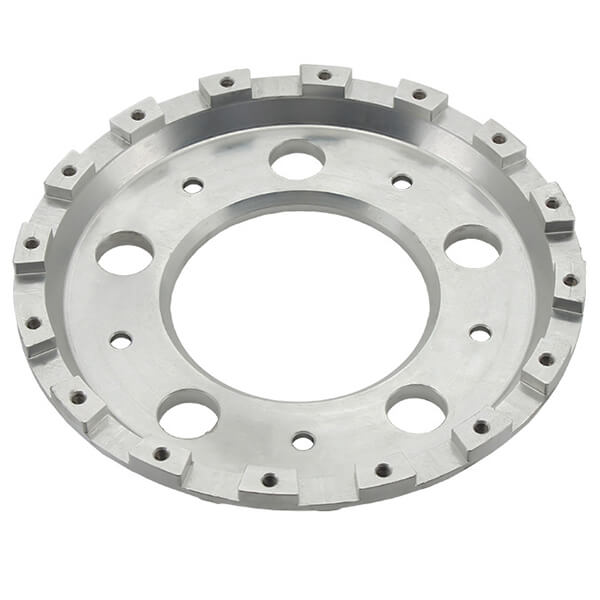
As Machined
Raw CNC machined surface with visible tool marks, cost-effective for non-exposed internal alloy steel components.
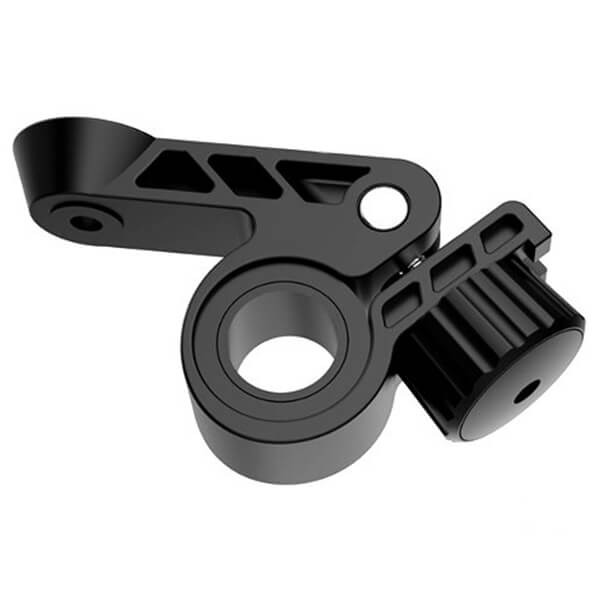
Black Oxide
Forms a thin black protective film to prevent mild rust, retains part dimensional accuracy without altering size.
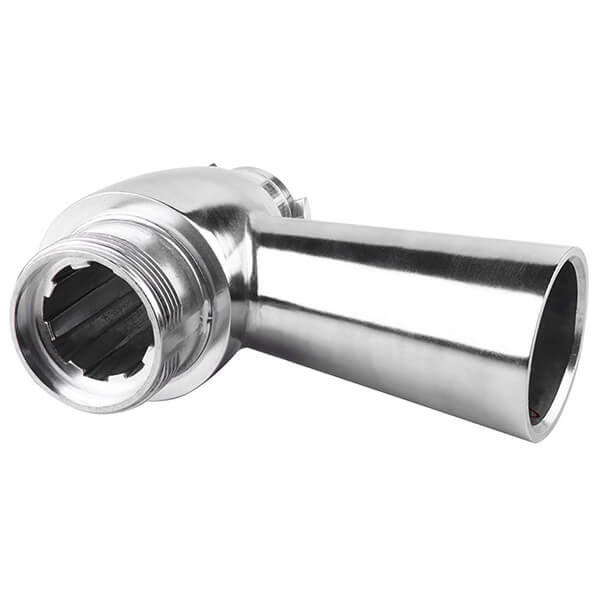
Polishing
Delivers smooth, low Ra surface finish for alloy steel parts requiring high precision and clean appearance.
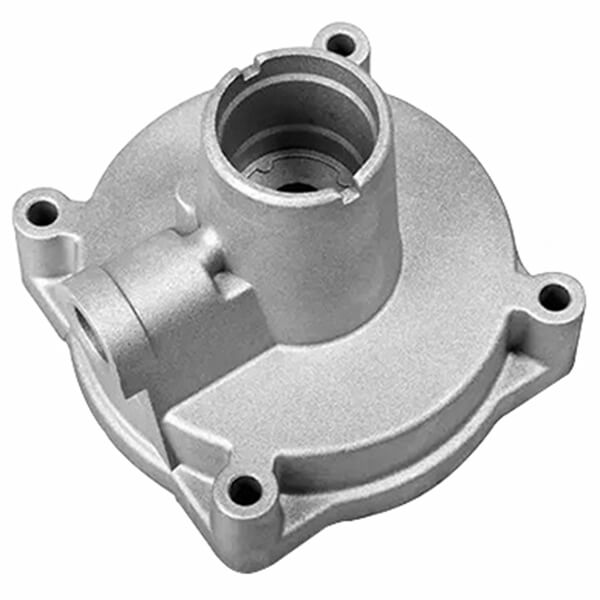
Sand Blasting
Uniform matte textured surface, improves adhesion for subsequent coating or plating treatments.
What is Titanium?
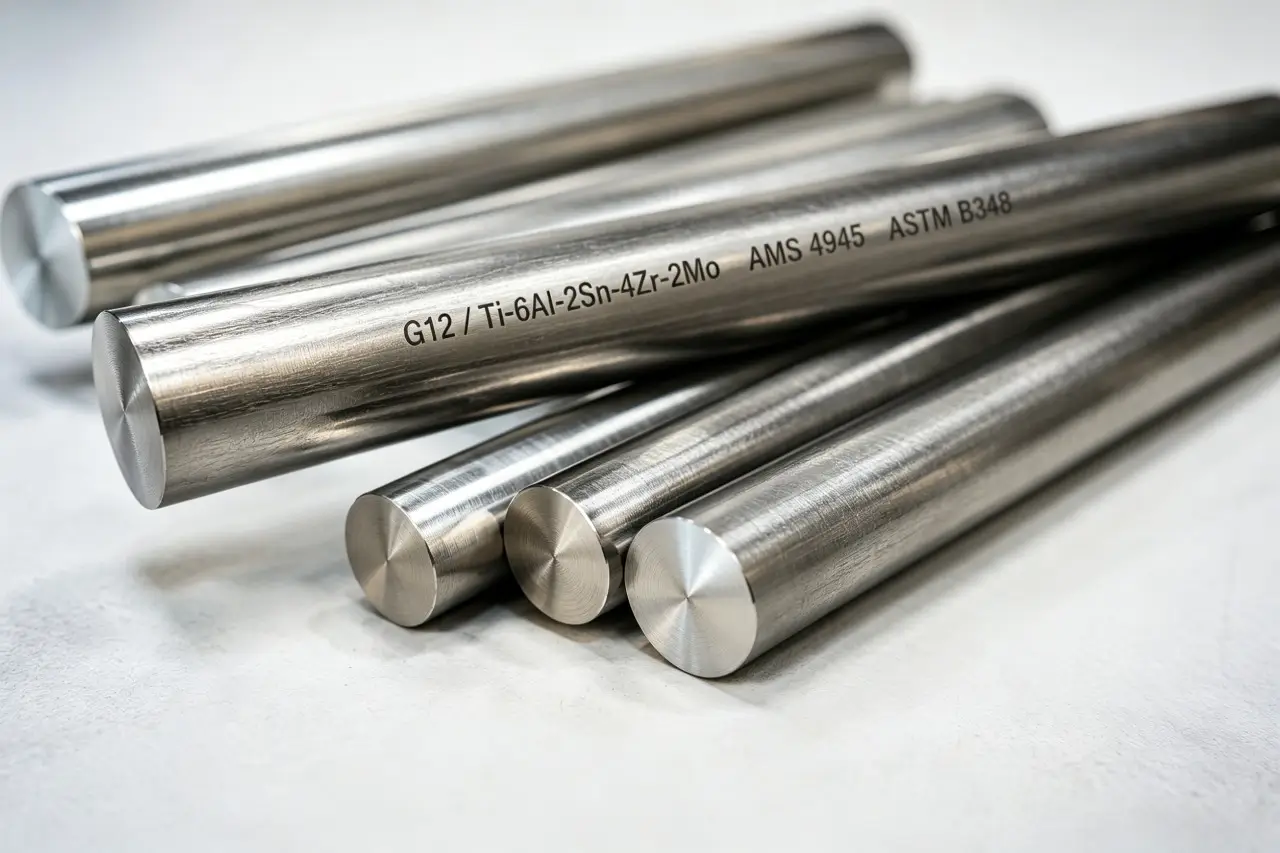
Titanium (Ti) is a silvery-gray engineering metal with low density, high strength, and an excellent strength-to-weight ratio. It also offers strong corrosion resistance, good fatigue performance, and biocompatibility. Titanium alloys, formed with elements such as aluminum, vanadium, and iron, further improve mechanical strength, heat resistance, and structural stability for demanding OEM and industrial applications.
Although titanium alloys have good ductility, they are classified as a difficult-to-machine material in CNC machining due to low thermal conductivity and high tool wear. This requires optimized machining parameters, rigid setups, and carbide or coated tools. Despite higher cost and processing difficulty, titanium is widely used in aerospace components, medical implants, marine hardware, automotive performance parts, and precision engineering parts requiring high strength, reliability, and durability.
Advantages of Titanium CNC Machining
1.High Strength-to-Weight Ratio: Titanium offers excellent mechanical strength while remaining significantly lighter than steel, ideal for lightweight structural and aerospace components.
2.Corrosion Resistance: Outstanding resistance to seawater, chemicals, and harsh environments, ensuring long-term stability in demanding applications.
3.Biocompatibility: Highly compatible with human tissue and non-toxic, making it widely used in medical implants and surgical components.
4.Durability: Excellent wear and fatigue resistance, suitable for CNC-machined parts operating under extreme or high-stress conditions.
5.Low Thermal Expansion: Maintains dimensional stability under temperature variations, supporting high-precision engineering applications.
6.Non-Magnetic: Non-magnetic properties and strong oxidation resistance, ideal for specialized industrial and electronic environments.
Applications of CNC Machined Titanium Parts
1.Aerospace Industry: Structural components, engine parts, brackets, and fasteners requiring high strength, lightweight performance, and reliability.
2.Medical Industry: Surgical instruments, orthopedic implants, dental implants, and other biocompatible medical devices.
3.Marine Engineering: Seawater-resistant components used in offshore equipment, shipbuilding, and deep-sea applications.
4.Automotive Industry: High-performance and racing components that demand lightweight and heat resistance.
5.Chemical Processing Equipment: Corrosion-resistant parts used in reactors, pipelines, and harsh chemical environments.
6.Precision Engineering: High-accuracy components for advanced machinery, robotics, and specialized industrial systems.
Frequently Asked Questions
A: Alloy steel grades 4140, 4340 and 8620 feature higher hardness and tensile strength, which makes them tougher to cut than stainless steel 316L. At ZH Precision, we apply specialized cutting tools and optimized cutting parameters for stable alloy steel CNC machining with smooth surface finishes.
A: Absolutely. We provide complete heat treatment solutions like quenching and tempering for alloy steel CNC parts. We adjust surface hardness and core toughness of 4140, 4340 and 8620 steel to match your wear-resistance and heavy-load demands.
A: Costs depend on part complexity, size, quantity, and tolerance requirements. Mild steel’s excellent machinability reduces machining time and tool wear. ZH Precision provides detailed quotations based on drawings, optimizing pricing for both CNC prototyping and OEM production.
A: Alloy steel supports our full set of CNC manufacturing processes, including CNC turning, CNC milling and 5-axis CNC machining. We adjust processing strategies based on part complexity to maintain uniform precision across all batches.
A: We hold tight precision up to ±0.01mm for alloy steel CNC parts. Every finished part goes through strict CMM dimension inspection to guarantee consistent accuracy for assembly.
A: Our alloy steel CNC machining can reach a minimum wall thickness of 0.3mm. Our engineers provide free DFM analysis to prevent deformation and guarantee structural stability for thin-wall alloy steel designs.
A: Alloy steel raw material and cutting costs are higher than mild steel, but its long service cycle lowers long-term replacement costs. We optimize processing schedules to cut unit costs for large mass production orders.
A: We accept STEP, IGS, DXF and PDF drawing files. Please mark key dimensions, tolerance ranges, target hardness and surface finish requirements. We will send a free DFM review and formal quotation within 24 hours.