
Aluminum CNC Machining Services
Get custom aluminum CNC machined parts with efficient turnaround and competitive pricing. We offer a full selection of aluminum alloys and professional surface finishes to fulfill your requirements for prototypes and volume production runs.
- Competitive Prices & DFM
- Tolerances up to ±0.01 mm
- 3-axis, 4-axis, and 5-axis CNC machining
- Parts delivered in as fast as 3 days
Verify Certifications On Demand:ISO 9001:2015 | IATF 16949:2016
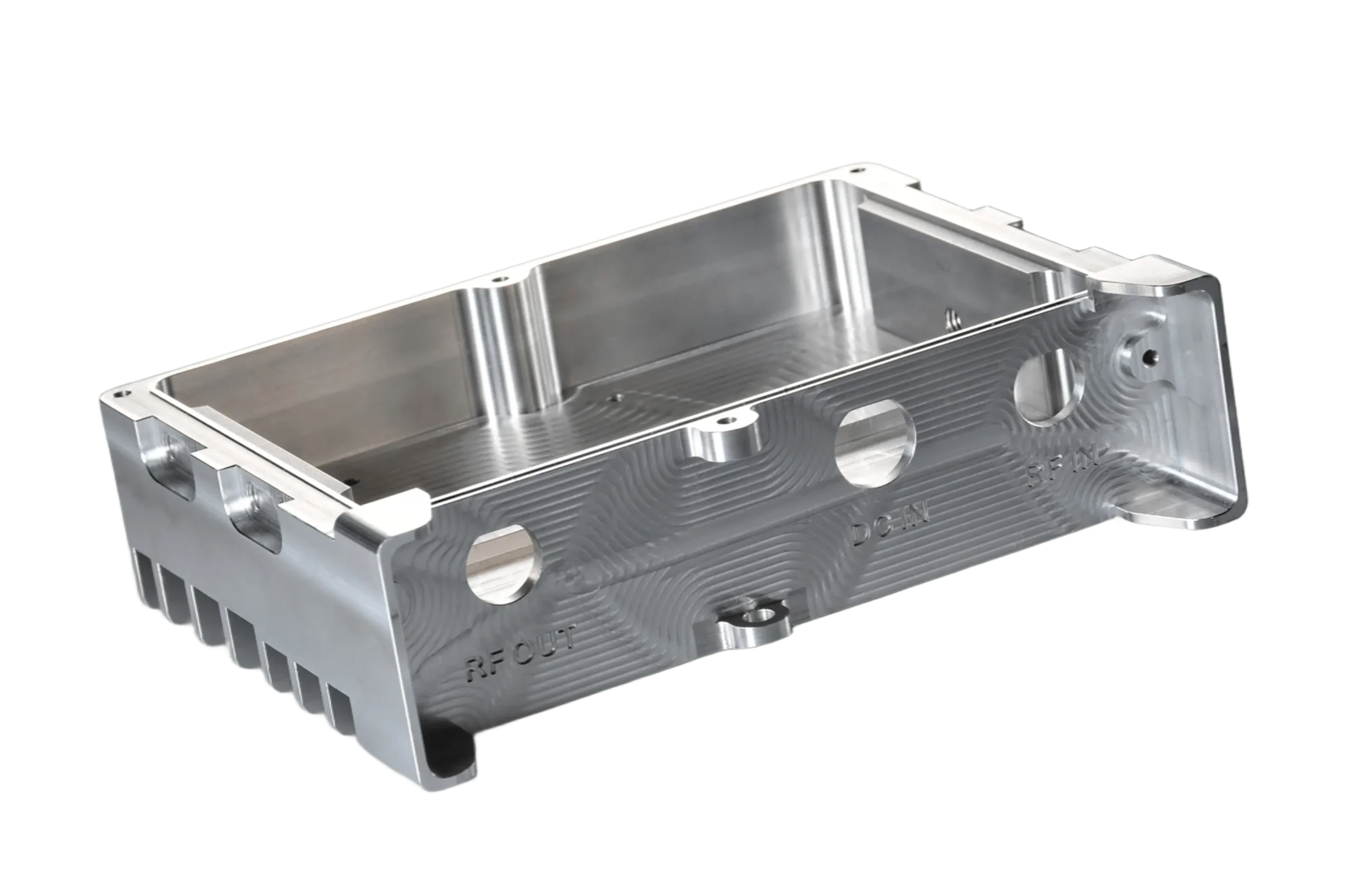
Get a Free DFM Assessment
STP I SLDPRT I IPT I PRT I SAT FLES
All uploaded content is secure and confidential.
Aluminum in CNC Machining
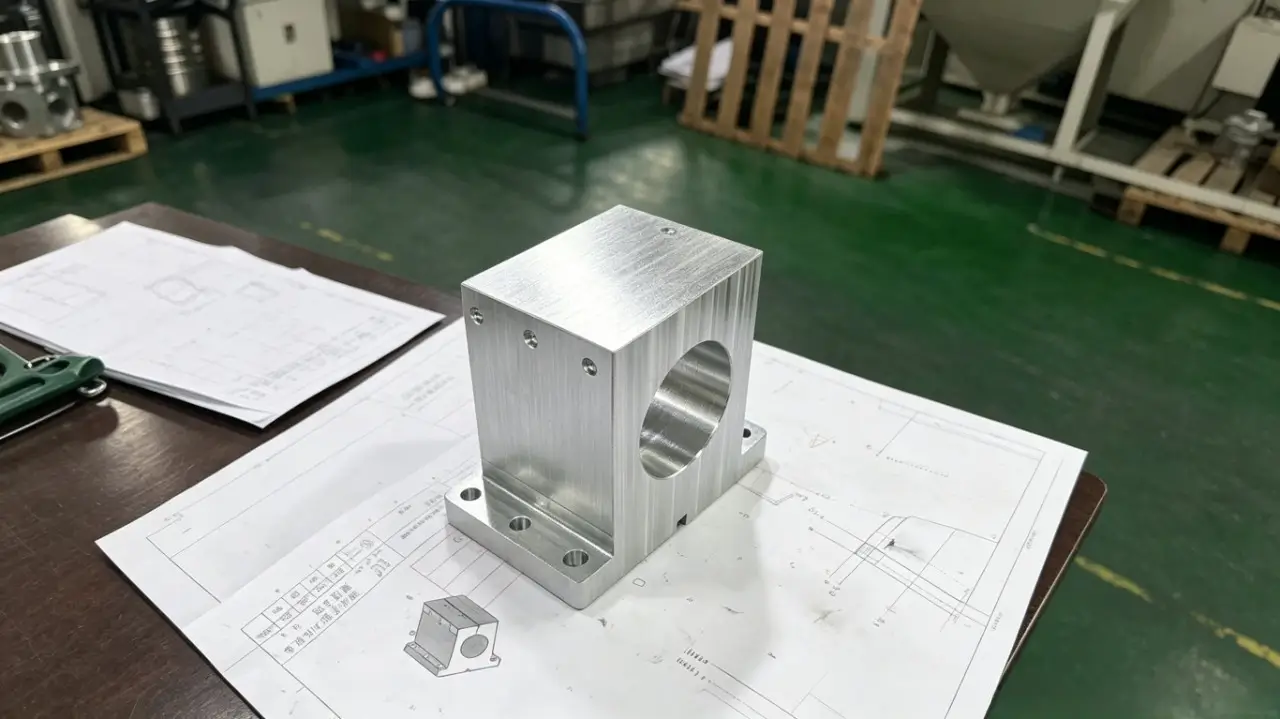
Aluminum is a widely applied material in CNC machining. We offer aluminum CNC milling and turning for prototypes and volume production, using 6061, 7075, 5052 and 6063 aluminum alloys.
Boasting good machinability, light weight and corrosion resistance, aluminum works well for lightweight structural parts. Multiple surface finishing options are available to meet your needs.
We produce custom aluminum components strictly based on your designs. With efficient delivery and reasonable costs, our aluminum CNC machining services cater to automotive, aerospace, robotics and various industrial fields.
CNC Machining Capability in Aluminum
| Feature | Detail |
|---|---|
| Maximum Part Size | 4000 mm×1500 mm×600 mm |
| General Tolerances | ±0.01 mm |
| Smallest Roughness | Ra1.6μm |
| Standard Lead Time | 3 business days |
| Express Lead Time | 1 business day |
| Price | $ $ $ |
| Machines | CNC Milling (3-, 4- & full 5-axis), CNC Turning |
6061 aluminum is one of the most widely used alloys for CNC machining. It combines excellent machinability, weldability and outstanding corrosion resistance. With balanced mechanical properties, it is suitable for structural components, automotive parts, aerospace fixtures, electronic housings and various general industrial machined parts.
| Tensile Strength, Yield (MPa) | Fatigue Strength (MPa) | Elongation at Break (%) | Hardness (Brinell) | Density (g/cm³) |
|---|---|---|---|---|
| 276 | 96 | 17 | 95 | 2.70 |
2024 aluminum is a high-strength alloy widely used in CNC machining. It features excellent tensile strength, outstanding fatigue resistance and good machinability. This material is ideal for aerospace parts, high-load structural components and various precision industrial machined parts.
| Tensile Strength, Yield (MPa) | Fatigue Strength (MPa) | Elongation at Break (%) | Hardness (Brinell) | Density (g/cm³) |
|---|---|---|---|---|
| 324 | 110 | 19 | 120 | 2.71 |
5052 aluminum is a popular non-heat-treatable alloy for CNC machining. It delivers superior corrosion resistance, high ductility and great formability. With stable performance, it is widely applied in marine parts, sheet metal components, electronic enclosures and general industrial machined products.
| Tensile Strength, Yield (MPa) | Fatigue Strength (MPa) | Elongation at Break (%) | Hardness (Brinell) | Density (g/cm³) |
|---|---|---|---|---|
| 193 | 69 | 18 | 70 | 2.68 |
5083 aluminum is a high-performance non-heat-treatable alloy. It features outstanding corrosion resistance, excellent weldability and good mechanical strength. It is widely used for marine equipment, pressure vessels, transport parts and heavy-duty industrial CNC machined components.
| Tensile Strength, Yield (MPa) | Fatigue Strength (MPa) | Elongation at Break (%) | Hardness (Brinell) | Density (g/cm³) |
|---|---|---|---|---|
| 215 | 76 | 22 | 80 | 2.66 |
6061-T6 is a widely used tempered aluminum alloy for CNC machining. It has balanced strength, superior machinability, good weldability and excellent corrosion resistance. It is commonly used for structural parts, automotive accessories, aerospace fixtures and electronic enclosures.
| Tensile Strength, Yield (MPa) | Fatigue Strength (MPa) | Elongation at Break (%) | Hardness (Brinell) | Density (g/cm³) |
|---|---|---|---|---|
| 276 | 96 | 17 | 95 | 2.70 |
6063 aluminum features excellent surface finish, great extrudability and reliable corrosion resistance. With moderate strength and smooth machinability, it is widely used for architectural profiles, decorative components, electronic frames and lightweight CNC machined parts.
| Tensile Strength, Yield (MPa) | Fatigue Strength (MPa) | Elongation at Break (%) | Hardness (Brinell) | Density (g/cm³) |
|---|---|---|---|---|
| 145 | 60 | 16 | 73 | 2.70 |
6082 is a medium-strength aluminum alloy suited for CNC machining. It offers good machinability, weldability and corrosion resistance. Thanks to stable mechanical performance, it is widely applied in machinery parts, structural components and transportation equipment.
| Tensile Strength, Yield (MPa) | Fatigue Strength (MPa) | Elongation at Break (%) | Hardness (Brinell) | Density (g/cm³) |
|---|---|---|---|---|
| 240 | 90 | 14 | 85 | 2.70 |
7075 aluminum is a high-strength aerospace grade alloy for CNC machining. It features outstanding tensile strength, excellent fatigue resistance and high hardness. It is widely used for aerospace components, high-load structural parts, mold parts and premium industrial machined components.
| Tensile Strength, Yield (MPa) | Fatigue Strength (MPa) | Elongation at Break (%) | Hardness (Brinell) | Density (g/cm³) |
|---|---|---|---|---|
| 505 | 159 | 11 | 150 | 2.80 |
Instant & Accurate Quotes
Every aluminum CNC design gets a free DFM review. Get accurate, no-hidden-cost quotations from our machining engineers within 6 hours.
Surface Finishing Options for Aluminum
Aluminum CNC parts come with various professional surface finishes to boost looks, durability and corrosion resistance. We offer anodizing, hard anodizing, powder coating, sandblasting, polishing, brushing, passivation, plating and laser marking. All finishes meet industrial, automotive and aerospace quality requirements.
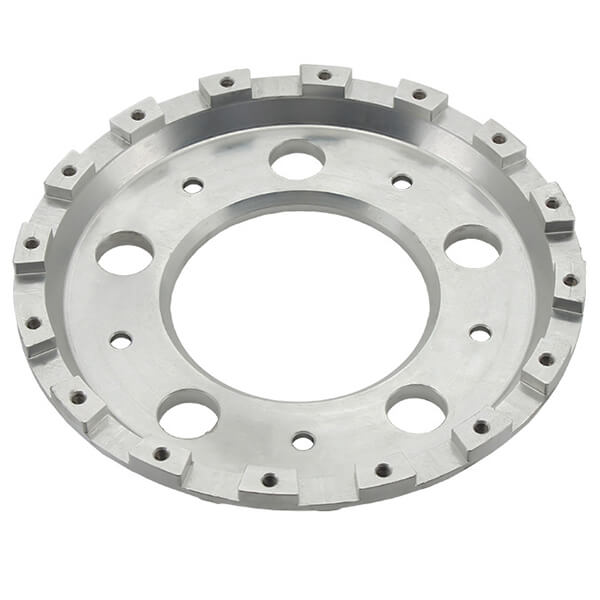
As Machined
Retain original CNC texture without extra treatment, an economical pick for general industrial components.
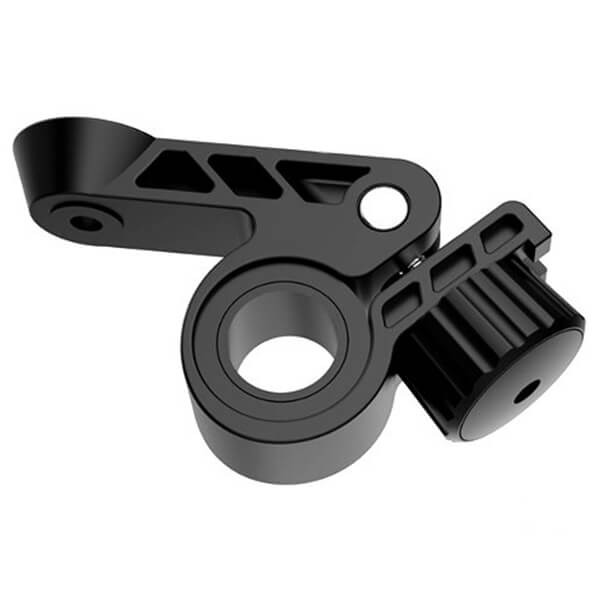
Anodizing
Build a dense protective oxide layer to strengthen corrosion resistance, with various color options for decoration.
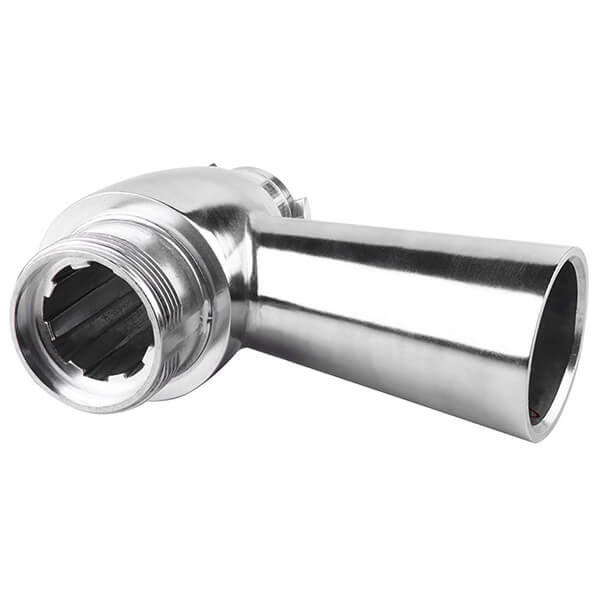
Polishing
Eliminate surface blemishes to create glossy luster, ideal for parts demanding premium visual performance.
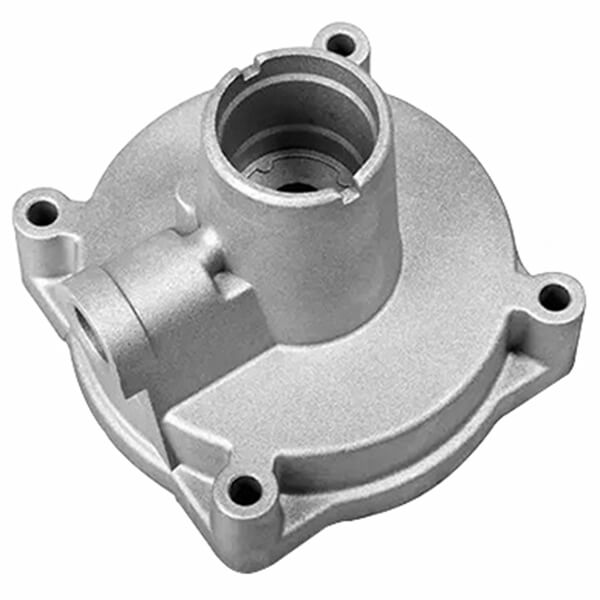
Sand Blasting
Form an even matte finish to erase tool marks, presenting a uniform and refined metallic texture.
What is CNC Aluminum Machining?
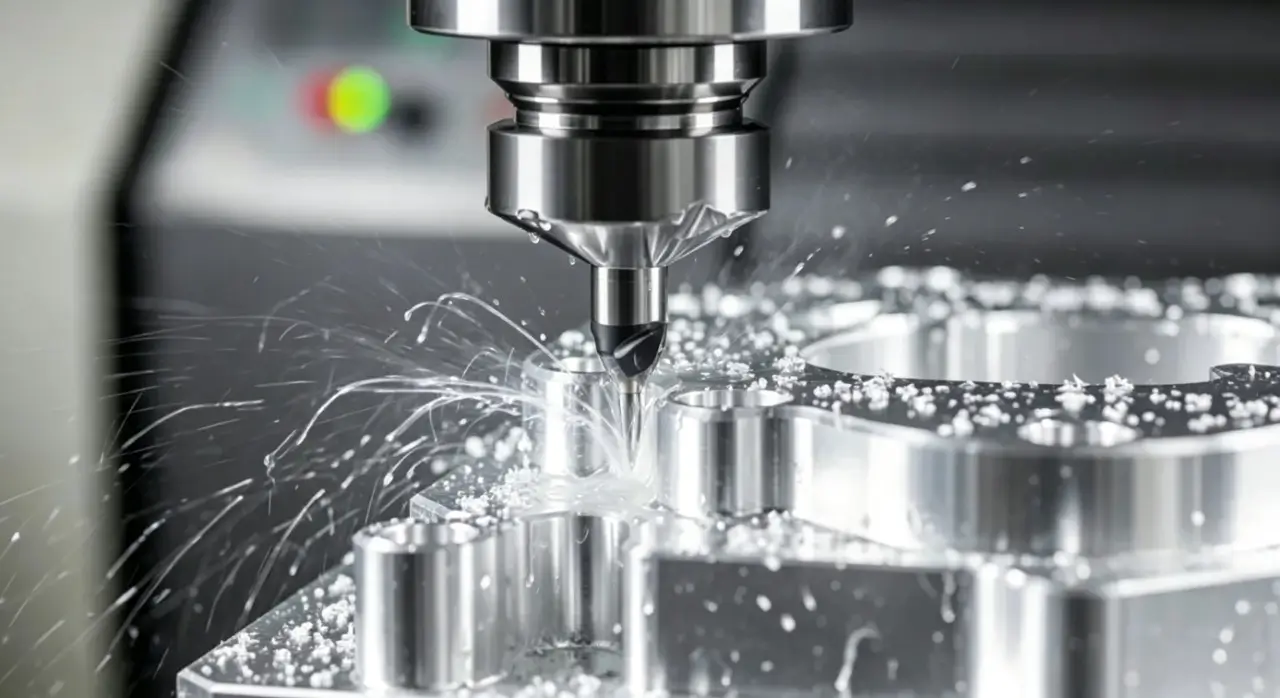
CNC aluminum machining is a precise subtractive manufacturing process that uses computer-controlled machine tools to remove excess material from aluminum workpieces and produce custom-designed aluminum parts. It applies to solid aluminum blocks, aluminum bars, and other aluminum raw materials for milling, turning, and other precision processing.
The CNC equipment reads digital CAD files and converts design data into accurate toolpath instructions. This manufacturing method enables the production of complex geometries and tight-tolerance components while maintaining consistent dimensional accuracy. Common processes include CNC milling, which uses rotating multi-point cutters to remove material, and CNC turning, which shapes rotating aluminum workpieces with single-point cutting tools.
Advantages of CNC Aluminum Machining
1.High Precision: Maintain tight tolerances and consistent dimensions for reliable part performance.
2.Great Machinability: Aluminum cuts smoothly to boost efficiency and control overall production costs.
3.Complex Geometry :Produce intricate shapes and fine details that traditional processing cannot achieve.
4.Light Weight: Create lightweight components ideal for automotive, aerospace and portable devices.
5.Good Thermal Conductivity: Offer excellent heat dissipation for electronic and mechanical equipment.
6.Natural Corrosion Resistance: Resist rust and oxidation to extend the service life of finished parts.
Applications of CNC Machined Aluminum Parts
1.Automotive Industry: Manufacture structural parts, brackets and heat sinks for vehicles and automotive assemblies used in automotive CNC machining applications.
2.Aerospace Field: Produce lightweight, high-strength components for aircraft and aviation equipment.
3.Consumer Products: Fabricate precision shells, frames and heat dissipating parts for various consumer electronic appliances through precision CNC machining services.
4.Industrial Automation: Make precision fixtures, robotic parts and machinery structural components.
5.Medical Equipment: Create reliable lightweight parts compliant with medical manufacturing standards.
6.Communication Devices: Produce antenna parts, signal housings and internal structural accessories for communication CNC machining solutions.
Frequently Asked Questions
A: The most commonly machined aluminum alloys are 6061-T6, 7075-T6, and 5052, each suited to different applications. 6061 offers excellent corrosion resistance and machinability for general-purpose components. 7075-T6 provides high strength-to-weight ratio, making it ideal for automotive and aerospace parts. 5052 is preferred for forming and applications requiring good weldability. Our team can recommend the best grade based on your part’s functional requirements.
A: We consistently achieve tight tolerances down to ±0.01mm (±0.0004 inches) on most aluminum CNC parts, depending on complexity and size. For critical features like holes, bores, and critical mating surfaces, we use advanced 3-axis and 5-axis machining centers, backed by CMM inspection to verify dimensional accuracy. Tighter tolerances are available for specialized aerospace and medical projects upon request.
A: We offer fast turnaround times for both quotes and prototypes. You can receive a detailed, engineering-reviewed quote within 6 hours after submitting your CAD files. For aluminum CNC prototypes, lead times typically range from 3–7 days, depending on part complexity and surface finish requirements. High-volume production orders have flexible lead times tailored to your schedule, with on-time delivery guaranteed.
A: We provide a full range of surface treatments for aluminum CNC parts, including anodizing (Type II/III), powder coating, bead blasting, polishing, and passivation. Anodizing is commonly used to improve corrosion resistance and add color options, while bead blasting creates a uniform matte finish. All finishes comply with RoHS and industry standards, and we can match specific finishes required by your application, such as medical or automotive-grade specifications.
A: Yes, we support the full production lifecycle, from one-off prototypes to high-volume aluminum CNC production runs. For prototyping, we use efficient machining strategies to keep costs low without sacrificing quality. For mass production, we optimize tool paths, implement batch processing, and leverage our supply chain to reduce per-unit costs. Whether you need 1 piece or 100,000 pieces, we ensure consistent quality, traceability, and competitive pricing for your aluminum CNC parts.